


Fertisil Withington Bath
Four miles from Manchester’s city center, the historic Withington Baths, a community-saved landmark from 1913, is being expanded to secure its future. Managed by the Love Withington Baths charity, this vital extension will meet growing demand and enable year-round activity, ensuring its financial sustainability.
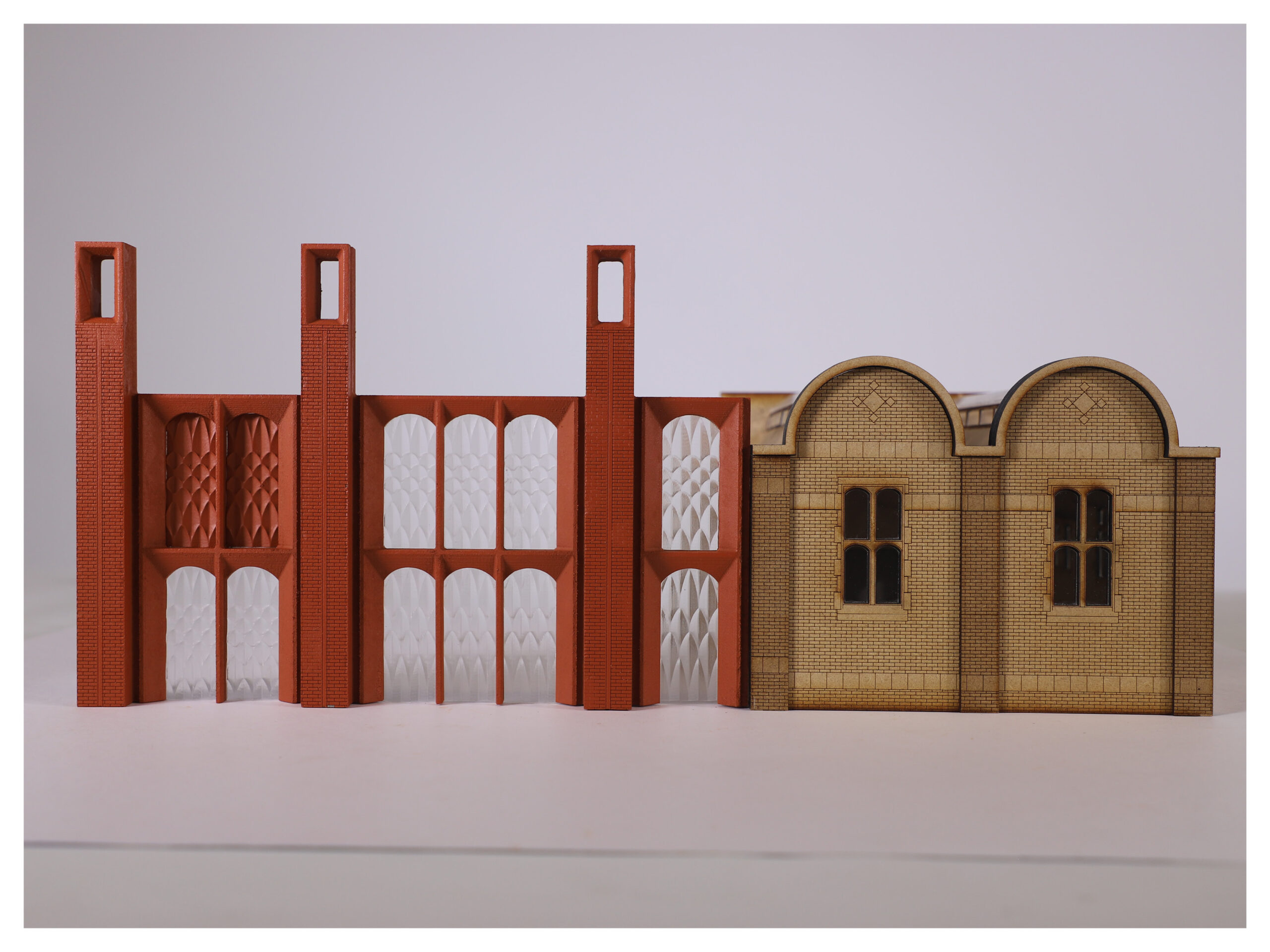
Driven by principles of well-being, connection, and inclusivity, the design’s central theme is human-wildlife coexistence, realized through integrated green infrastructure and innovative ‘birdhouse architecture’ to support the local house sparrow population. The extension completes the original 1913 plan with a contemporary structure that respects its heritage. Using brick and terracotta, it reinterprets Edwardian features as functional ventilation towers, while new windows and terracotta birdhouses draw inspiration from the original building’s iconic bluebell tiles.
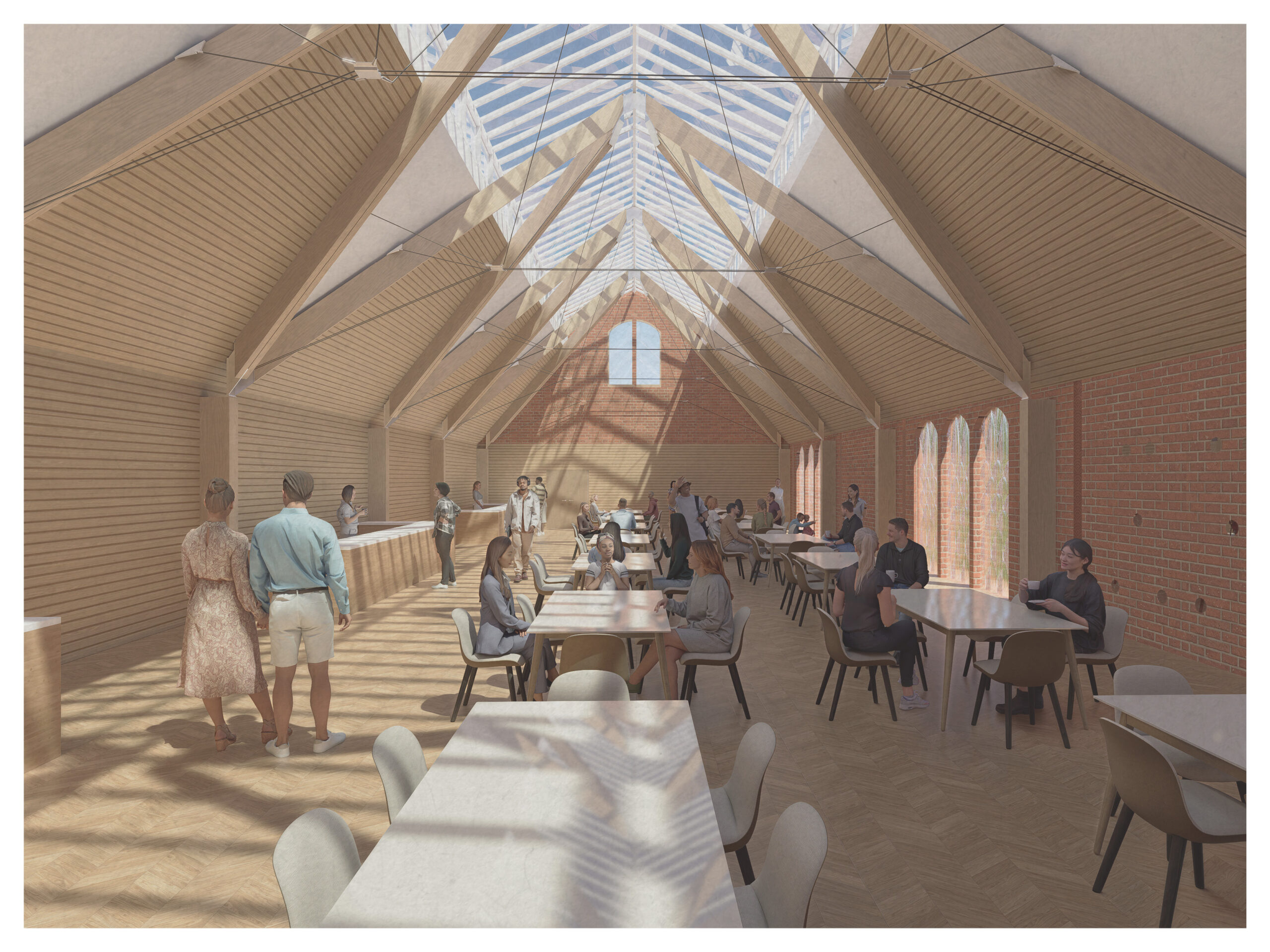
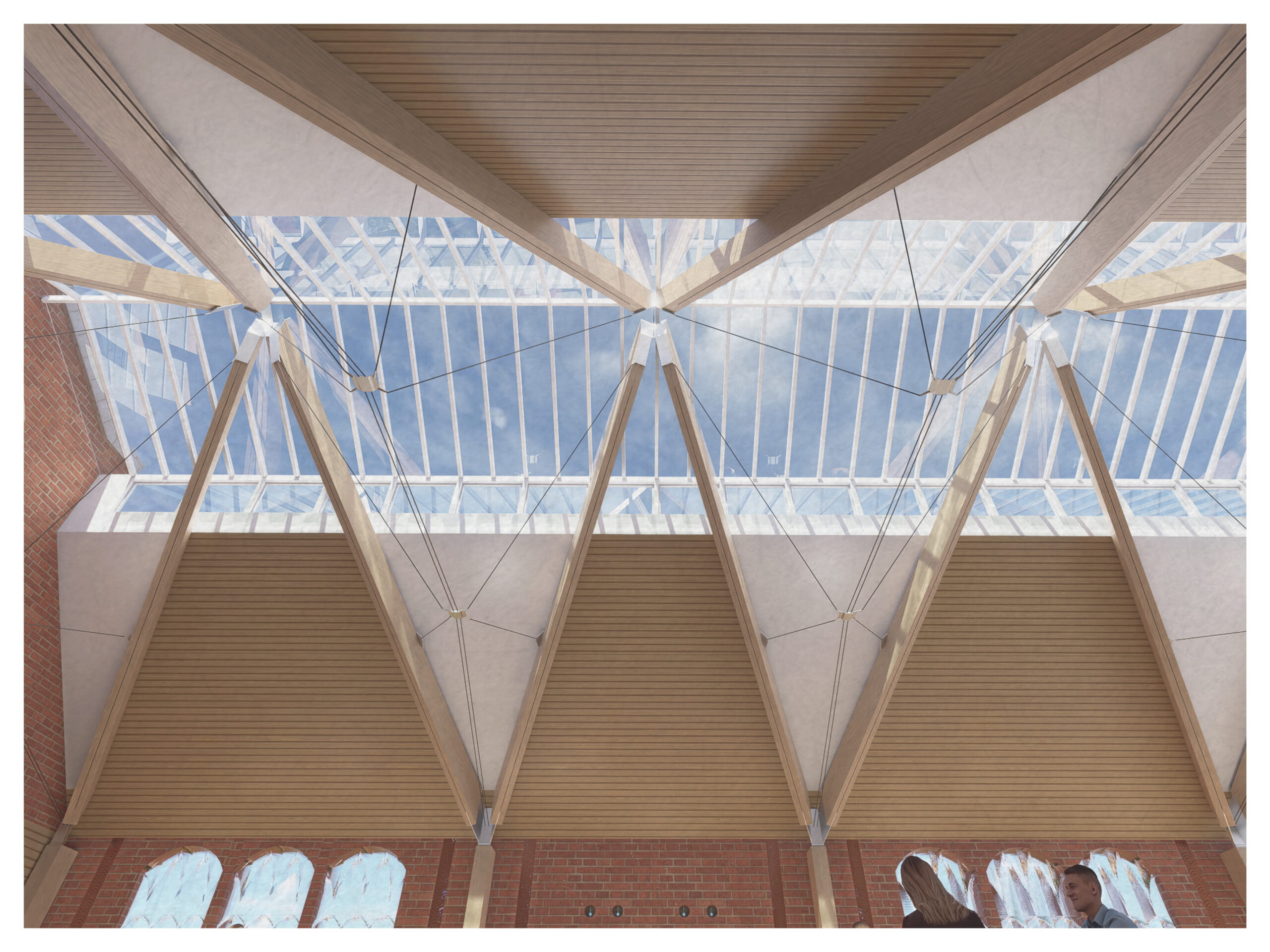
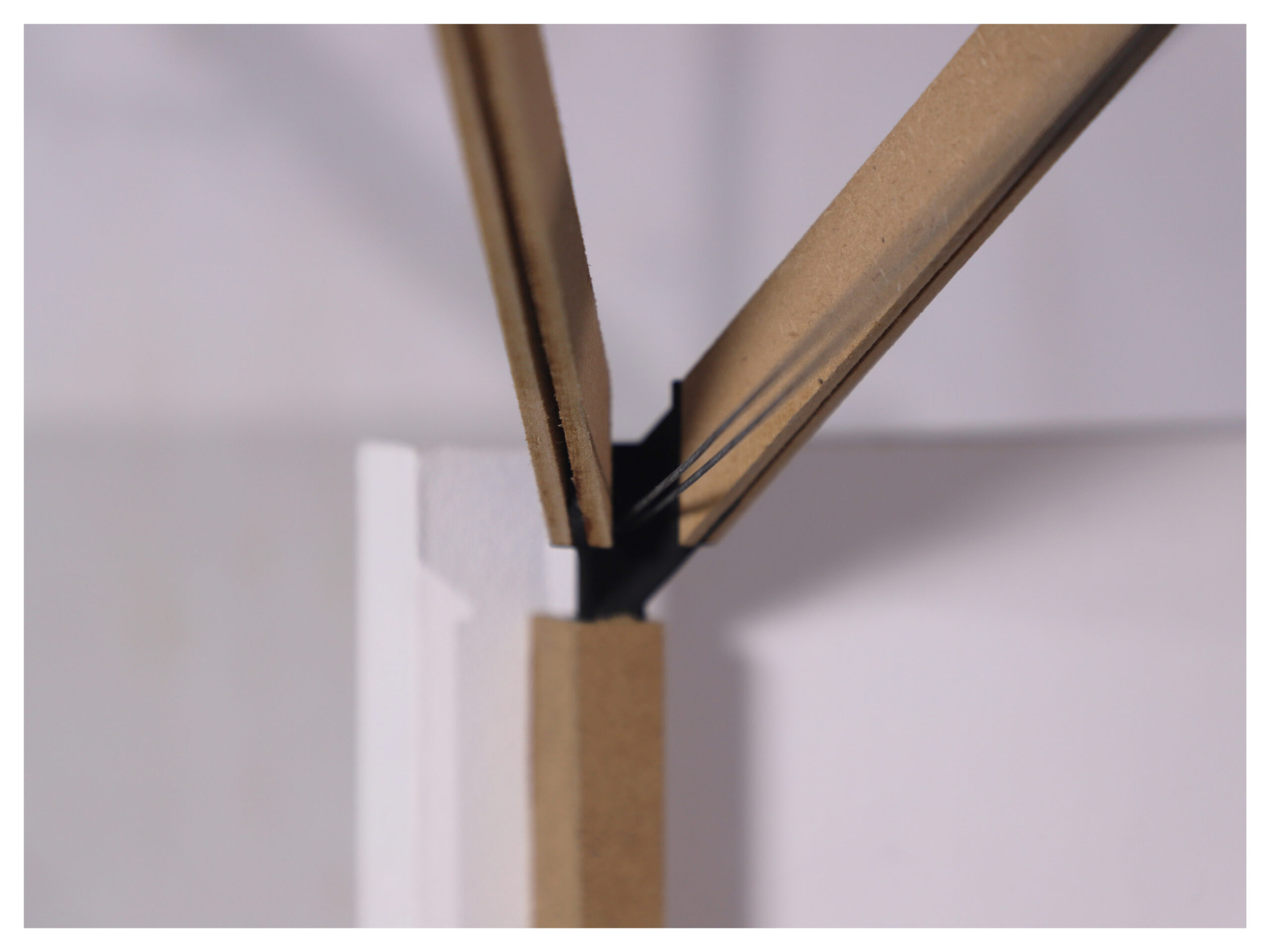
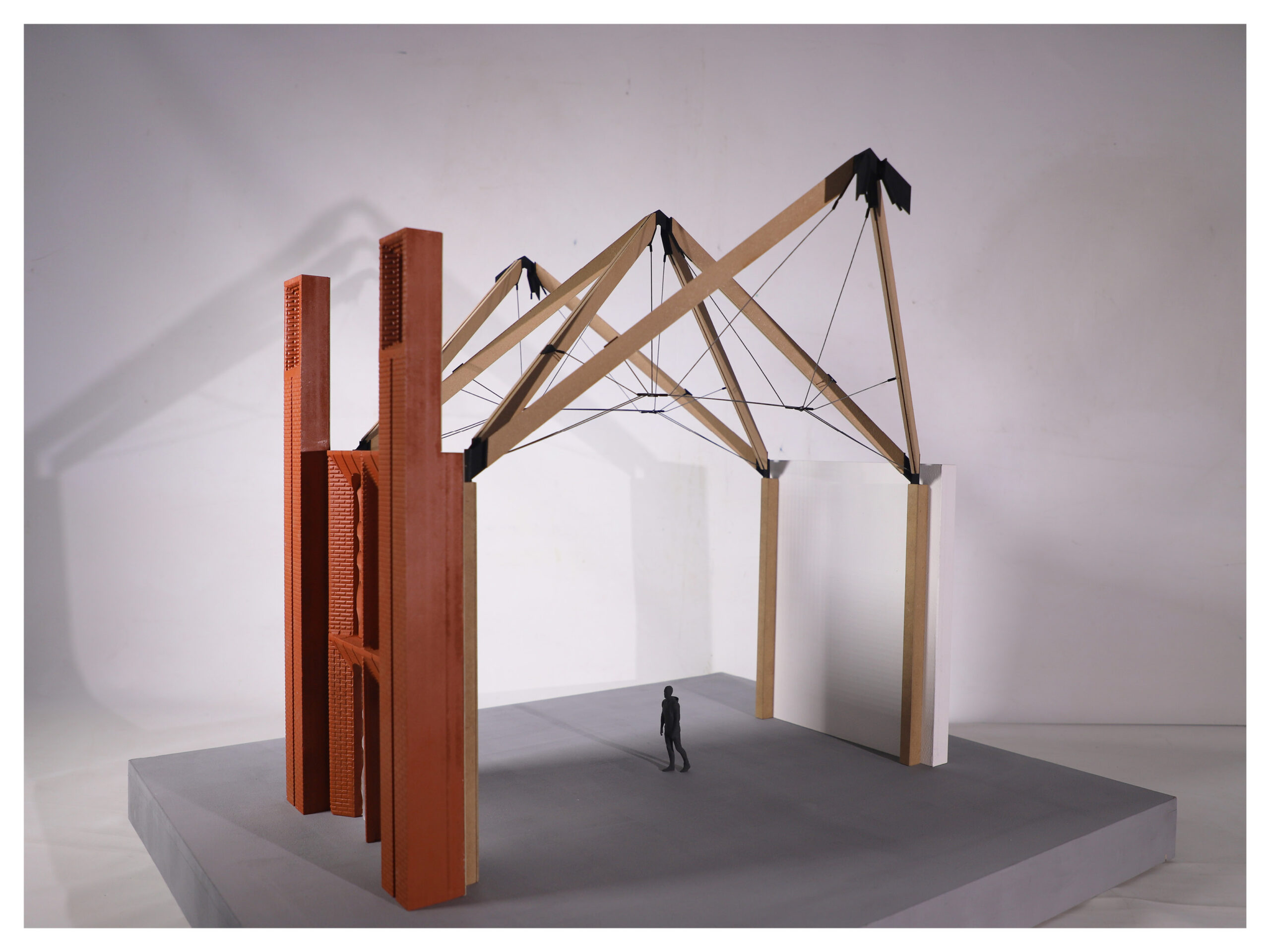
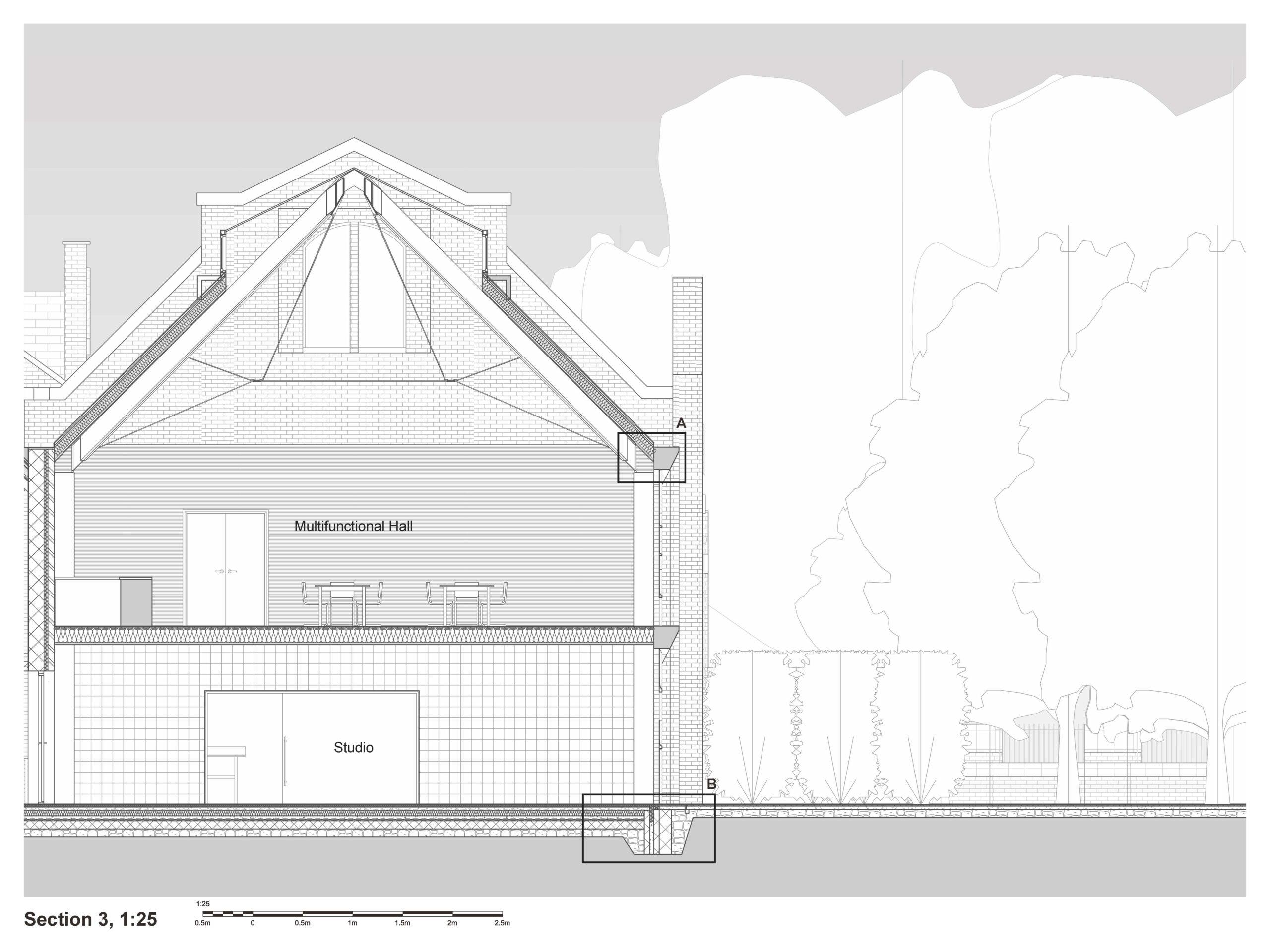
The project’s structural core is a profoundly complex ‘spider’s web’ network, developed in close collaboration with structural engineers. It features a sophisticated hybrid of Cross-Laminated Timber (CLT) and bespoke recycled steel junctions to resolve non-standard angles, such as 72.3 degrees. Weeks of intensive digital modeling were required to ensure every bespoke connection could integrate a tension bar system and seamlessly connect beams from multiple directions, optimizing space while ensuring stability.
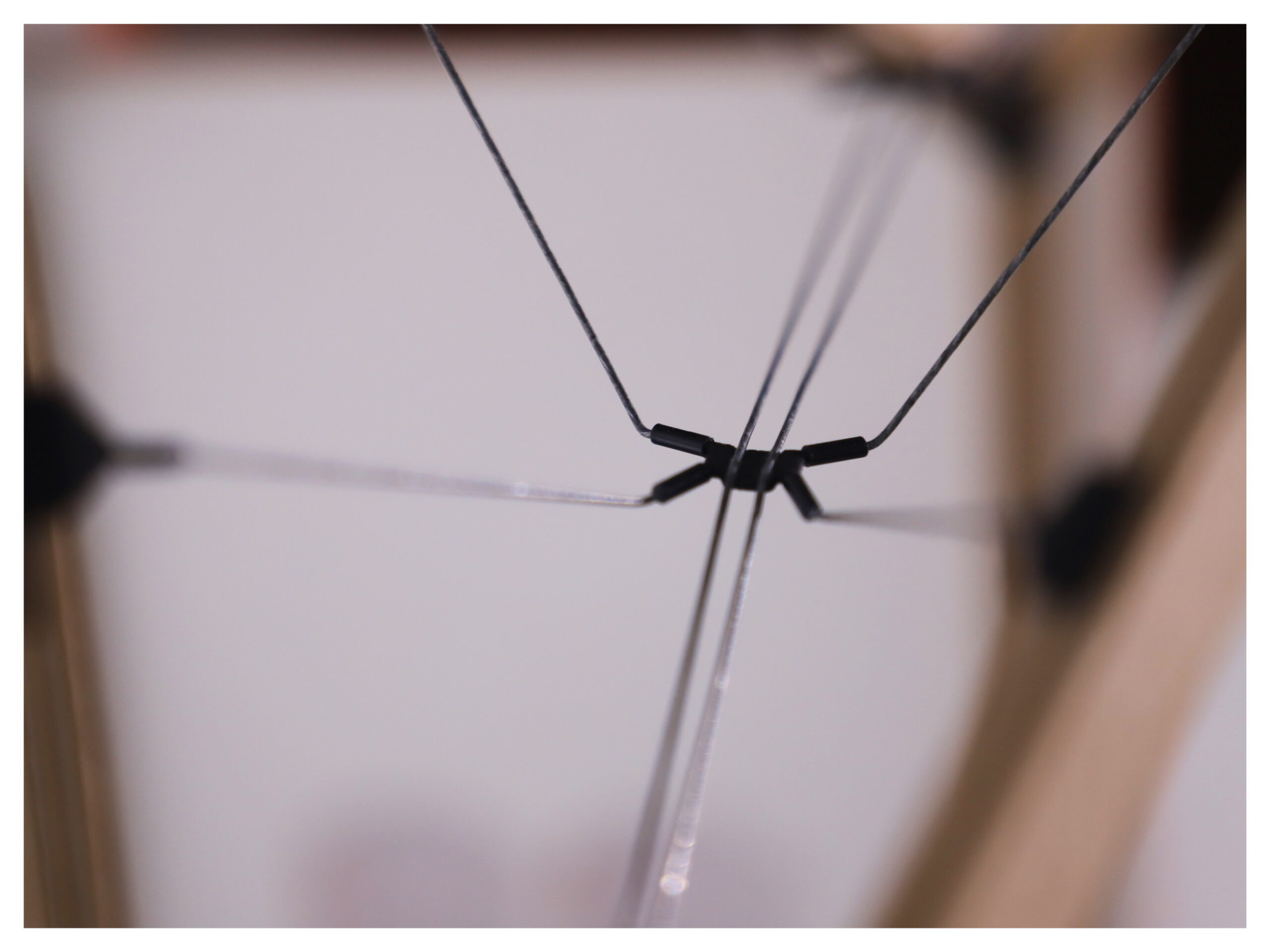
This commitment to innovation is further demonstrated through extensive and experimental physical modeling. A multi-scalar approach (1:50, 1:20, and 1:2) was employed to test every aspect of the design. The 1:2 birdhouse prototype was uniquely crafted by casting Jesmonite in a clay mould, which was then treated with a weak acid wash to create a realistic terracotta texture. For the highly complex structural nodes, an advanced SAF powder 3D printer was utilized. This rigorous process involved constant problem-solving, from designing custom supports for 3D printed parts to using piano strings for the tension system when standard wires failed.
Sustainability and accessibility were paramount. The design incorporates recycled steel, reclaimed brick, and prefabricated CLT to reduce embodied carbon. Key challenges, such as a 580mm level difference, were resolved with a carefully integrated ramp, ensuring the new, versatile spaces—including a gym, yoga studio, and café—are open to all.
This project not only preserves Withington Bath’s rich legacy but also positions it for a resilient and inclusive future through a design that is technically ambitious, ecologically sensitive, and deeply rooted in its community.