

Top Architecture News of 2025
Education, Professional Identity, AI, and a Global Shift in Practice
Architecture in 2025 is facing a moment of structural change. Across education, professional identity, global recognition and emerging technology, long-standing assumptions about what it means to be an architect are being challenged. Policy shifts in the United States, debates over professional titles in the UK, the awarding of the Pritzker Architecture Prize, and renewed reflection on architectural legacy all point to a profession in transition. At the same time, the rapid adoption of artificial intelligence is reshaping how architecture is produced, taught and valued. Together, these developments mark top architecture news in 2025 as a defining year for architecture worldwide.

1. Architecture No Longer Classified as a “Professional Degree” in the U.S.
In a move that has prompted widespread concern across architecture schools and professional bodies, the U.S. Department of Education announced that architecture degrees will no longer be classified as “professional degrees” for federal student loan purposes, with changes expected to take effect from 2026.
The decision does not affect accreditation or licensure requirements overseen by NAAB or NCARB. However, it may reduce access to federal loans for architecture students, potentially increasing financial barriers in a discipline already known for long degree pathways and high tuition costs.
Architecture organisations and educators have warned that the change could discourage students from entering the profession, particularly those from lower-income backgrounds. Others argue that it exposes structural problems in architectural education that have gone largely unaddressed for decades.

2. RIBA President Chris Williamson Steps Away from the “Architect” Title
In the UK, professional identity has come under scrutiny following the announcement that RIBA President Chris Williamson will not renew his registration with the Architects Registration Board, meaning he will no longer legally use the title “architect”.
Williamson described the decision as a reflection of his role in leadership and advocacy rather than traditional architectural practice. The move has sparked debate within the profession, with some viewing it as a pragmatic acknowledgment of evolving career paths, while others see it as undermining the importance of title protection.
The discussion highlights a broader shift within architecture, where influence increasingly extends beyond building design into policy, education and public discourse.
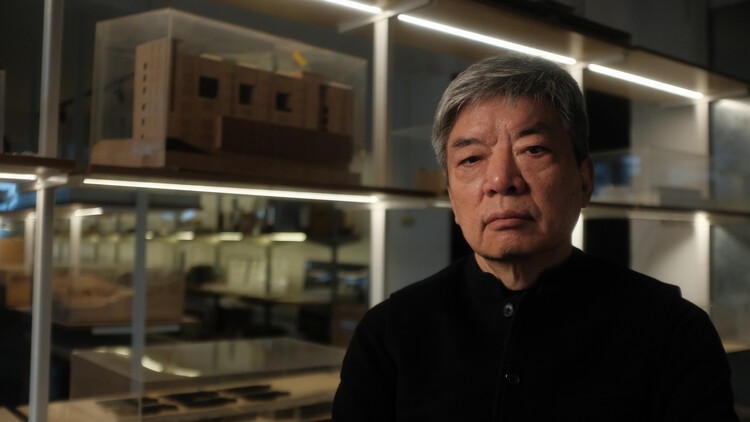
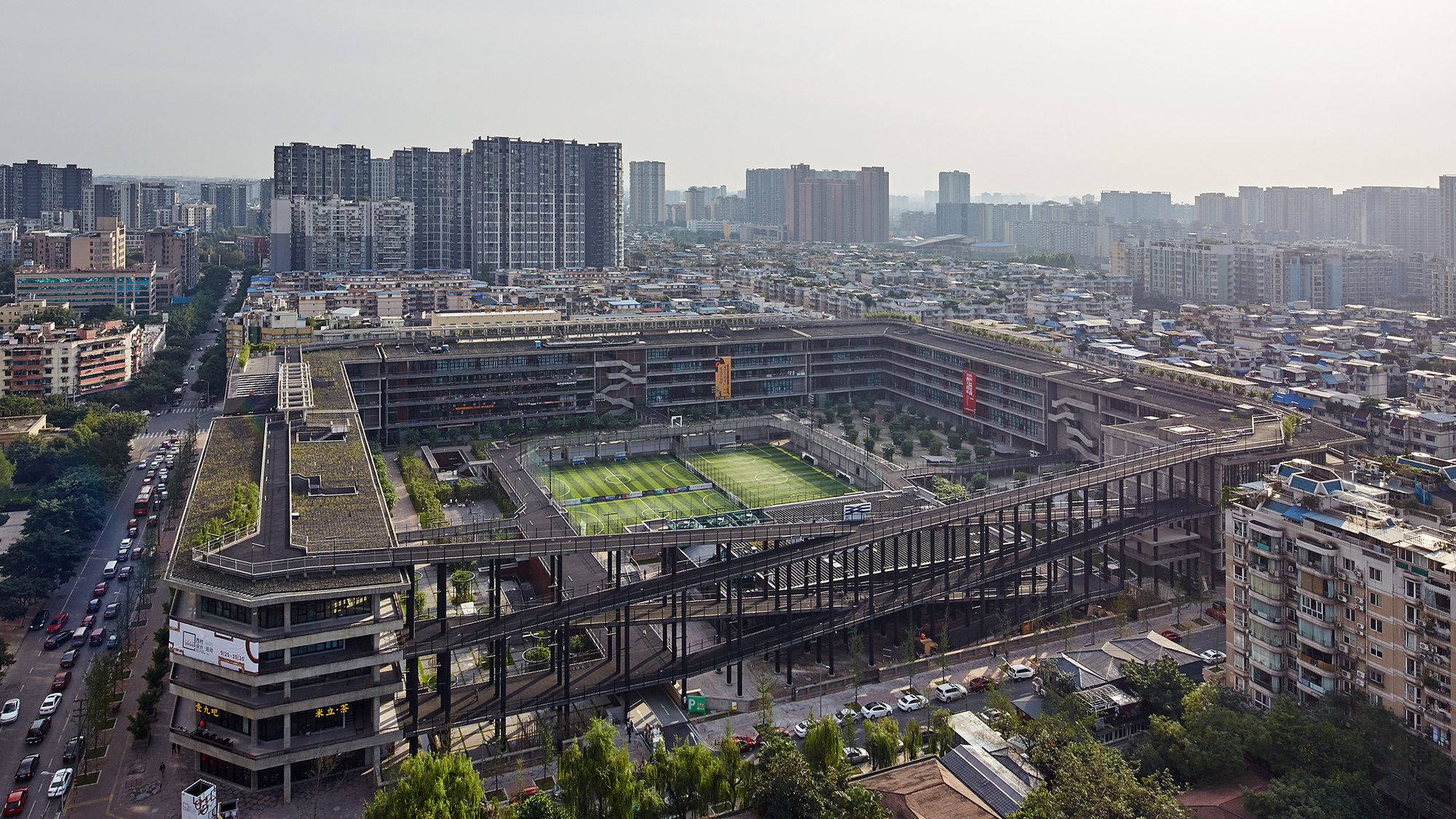
3. Pritzker Architecture Prize 2025 Awarded to Liu Jiakun
The 2025 Pritzker Architecture Prize was awarded to Chinese architect Liu Jiakun, marking another year in which the jury recognised socially grounded and context-driven work over iconic form-making.
Liu is known for projects that engage closely with local culture, everyday urban life and modest construction approaches. The jury cited his ability to produce architecture that is rooted in place while addressing contemporary social needs.
The award continues a recent trend in the Pritzker Prize towards recognising architects whose work prioritises long-term impact and cultural relevance rather than global visual branding.

4. Frank Gehry and the Reassessment of a Radical Architectural Legacy
As architecture looks to the future, 2025 has also prompted reflection on the legacy of figures who reshaped the discipline in previous decades. Frank Gehry remains one of the most influential architects of the late 20th and early 21st centuries, known for his sculptural buildings and early adoption of digital design tools.
Projects such as the Guggenheim Museum Bilbao helped redefine the role of architecture in urban regeneration. Today, however, Gehry’s work is increasingly discussed alongside questions of sustainability, cost and resource use.
His legacy highlights the contrast between an era defined by individual authorship and a profession now moving toward collaboration, climate responsibility and systems-based design.
5. A Global Re-Examination of Architectural Education and Practice
Taken together, these developments reflect a wider re-evaluation of architectural education and professional practice across the world. Architecture schools are facing pressure to shorten degree timelines, reduce student debt and expand curricula beyond traditional studio models.
Climate change, risk communication, data analysis and digital tools are becoming central components of architectural training. At the same time, many architects are working beyond conventional practice, contributing to research, policy, landscape resilience and urban strategy.
The scope of architectural work is expanding, even as the profession reassesses how it defines itself.
6. Will AI Replace Architects?
Artificial intelligence has emerged as one of the most discussed topics in architecture in 2025. AI tools are increasingly used for rendering, site analysis, concept generation and documentation, raising concerns about automation and job displacement.
However, many architects argue that AI is unlikely to replace the profession itself. Instead, it is changing how architectural work is produced and highlighting the importance of human judgment, ethical decision-making and spatial understanding.
Rather than signalling the end of architecture, AI is accelerating a transformation that is already underway.
Architecture in 2025: A Profession in Transition
The major architecture news stories of 2025 suggest a profession in transition rather than decline. Educational models are under pressure, professional titles are being questioned, global awards are redefining success and technology is reshaping practice.
As architecture adapts to these changes, its future may be defined less by iconic buildings and more by its ability to respond to climate risk, social responsibility and complex global systems.

The Best Architecture Tools of 2024: Programs, AI, and iPad Apps
Architecture and landscape design tools are evolving rapidly, with innovative programs and AI techno


CO-EXIST: Pavilion of China Curated by Ma Yansong Officially Opens at the 19th International Architecture Exhibition—La Biennale di Venezia
The China Pavilion at the 19th International Architecture Exhibition – La Biennale di Venezia, tit
Leave a Reply