
On the verge of city and Arcadia: Redefining the University Grid
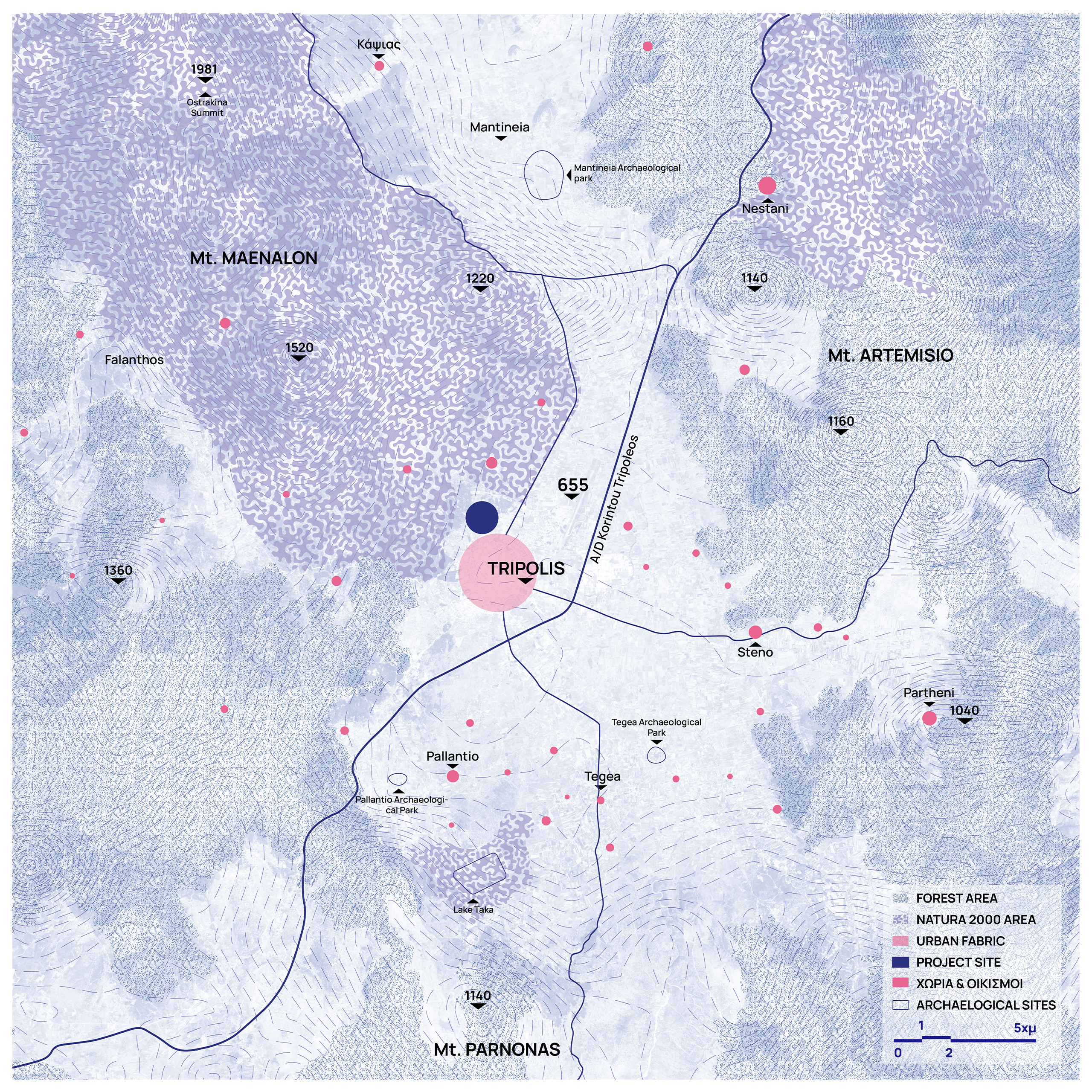
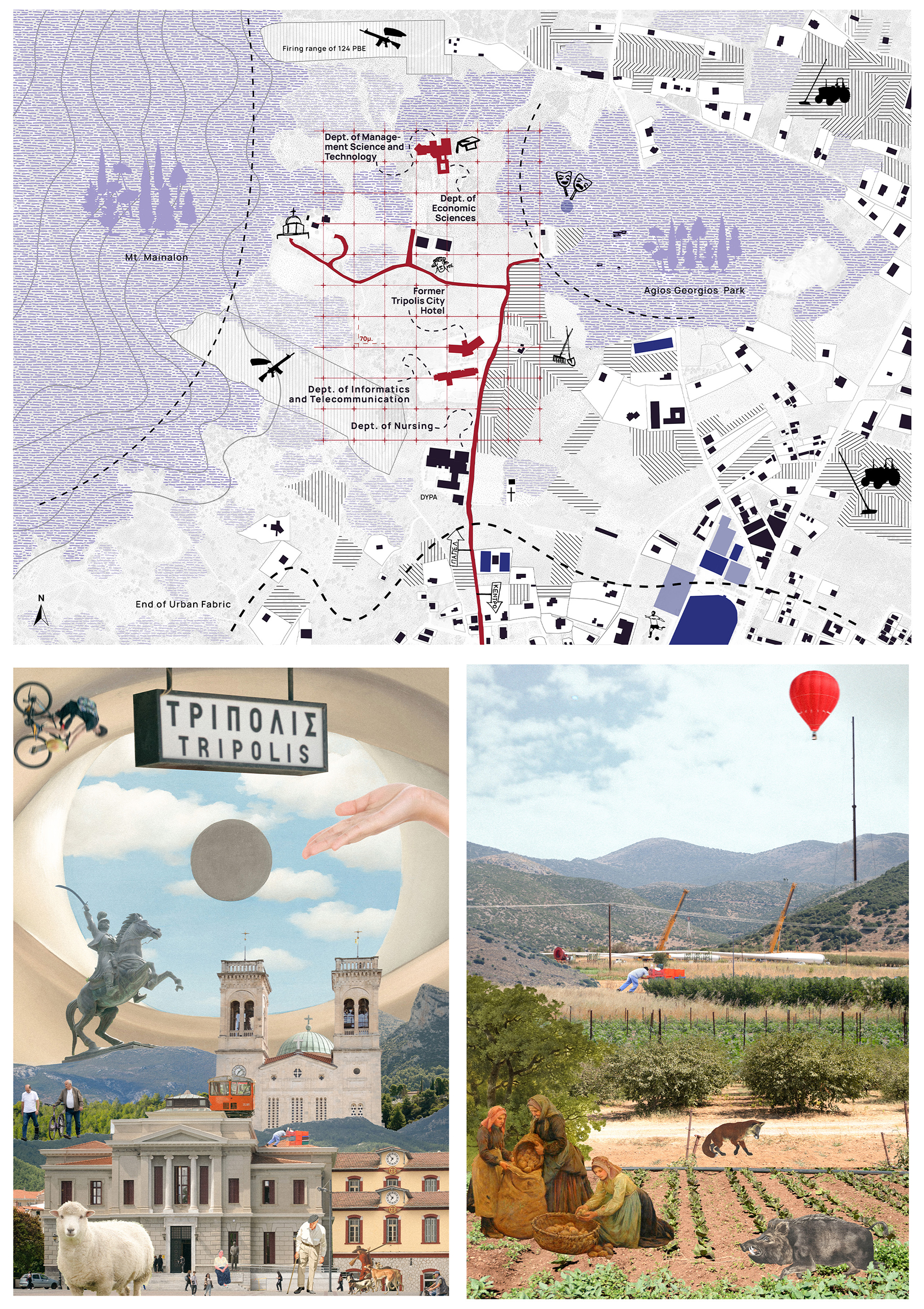
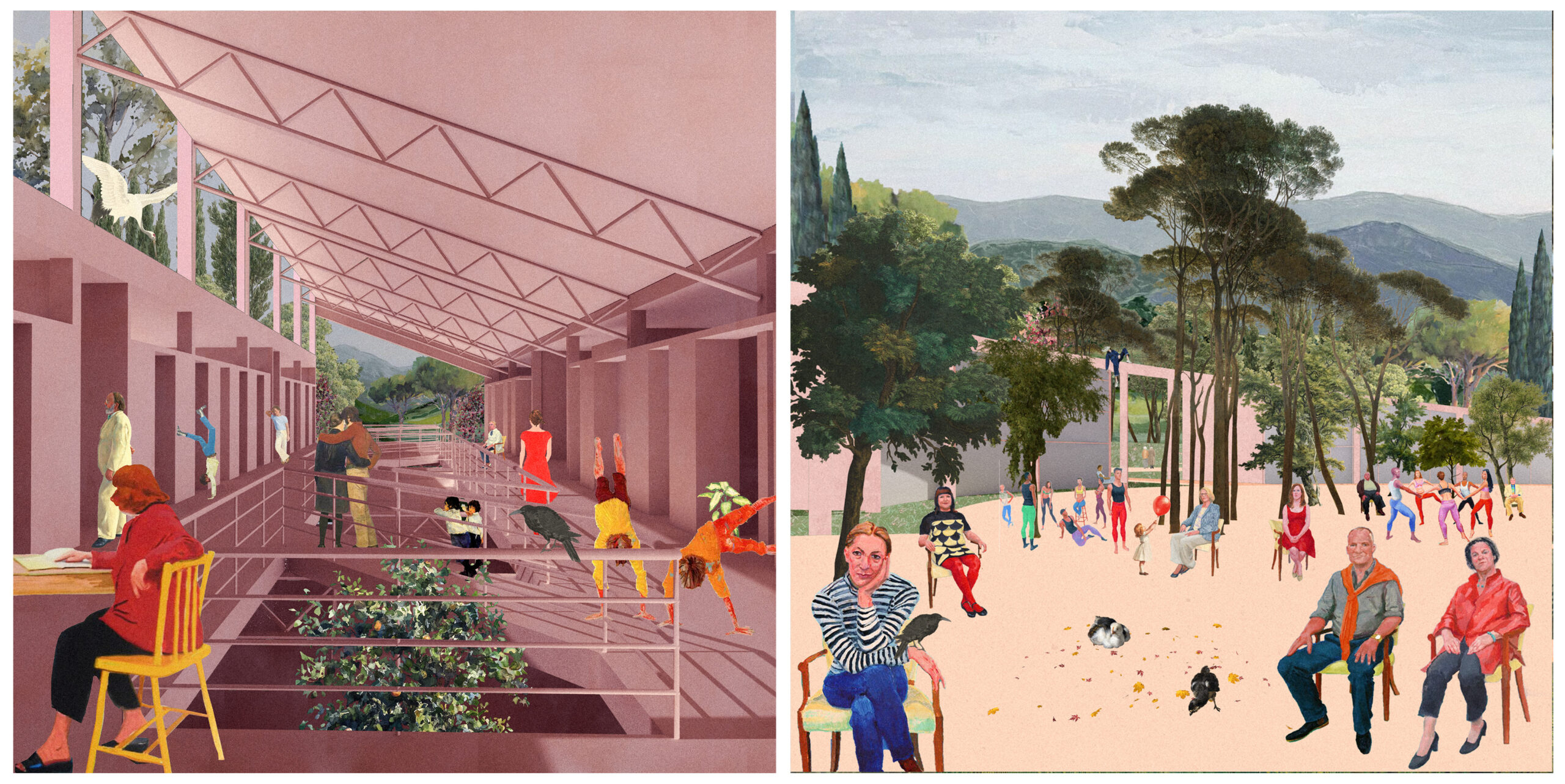
The present diploma thesis is motivated by the critical condition of the contemporary Greek public university. The large number of university departments in both the capital and the periphery, combined with increasing demands for modernization, renders necessary a redefinition of the University’s role at the academic, institutional, and operational levels. The aim is the creation of a vibrant, inclusive, and publicly accessible environment that is not confined to the production of knowledge but actively engages with the place and the local society. As many university facilities are located outside the urban fabric and in direct relation to the Mediterranean landscape, the question arises as to how the University may operate as a transitional space between city and nature, while fulfilling educational, social, and cultural objectives.
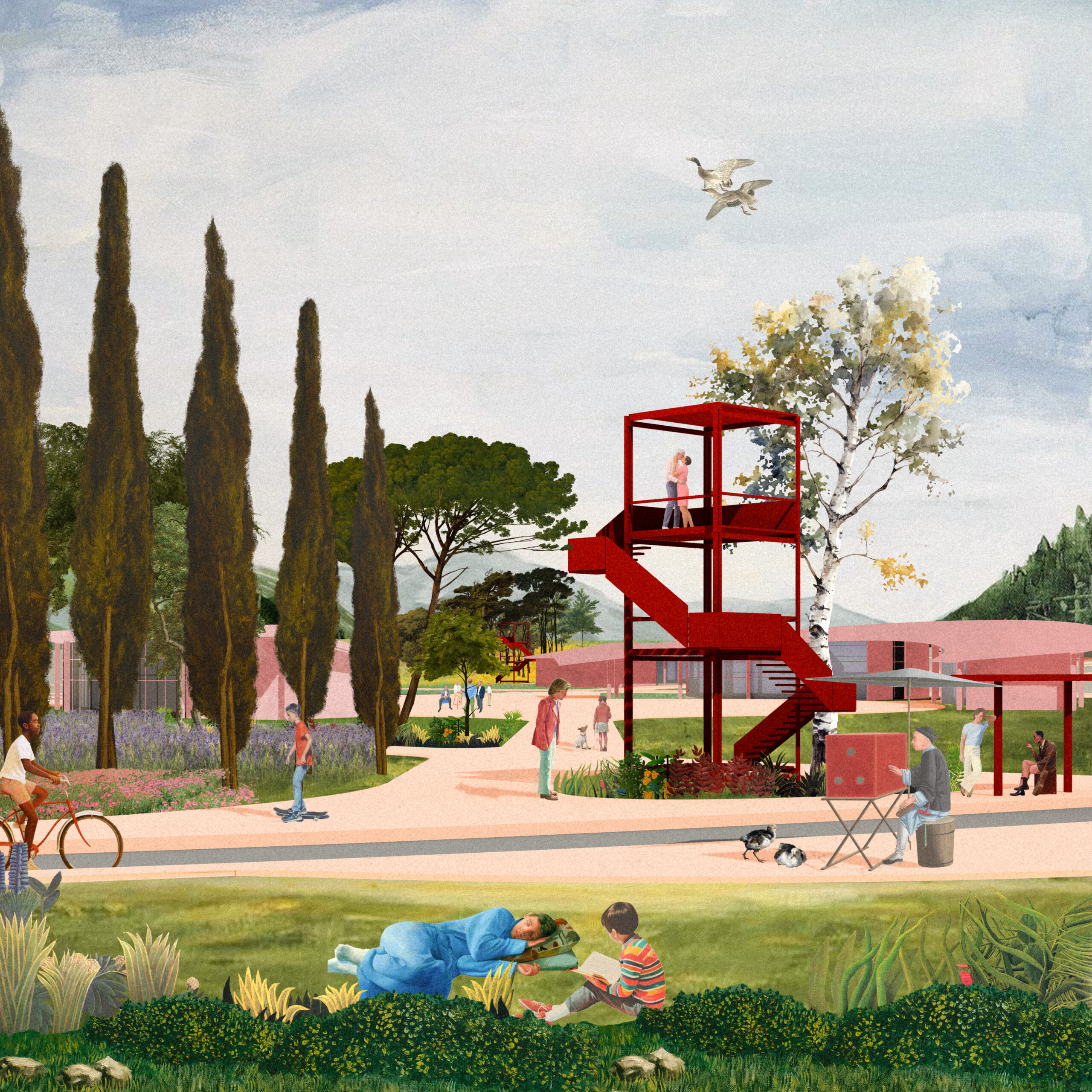
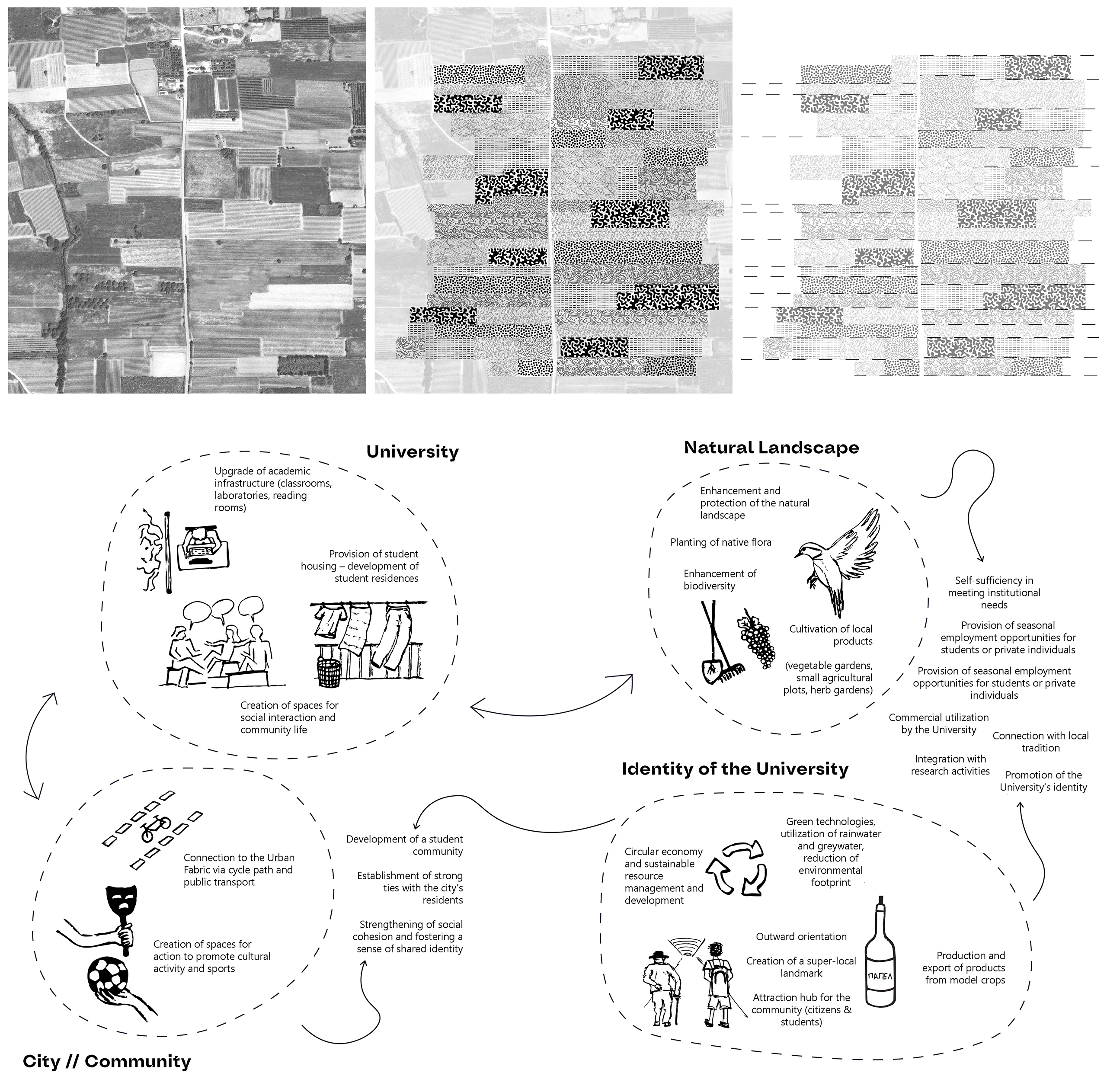
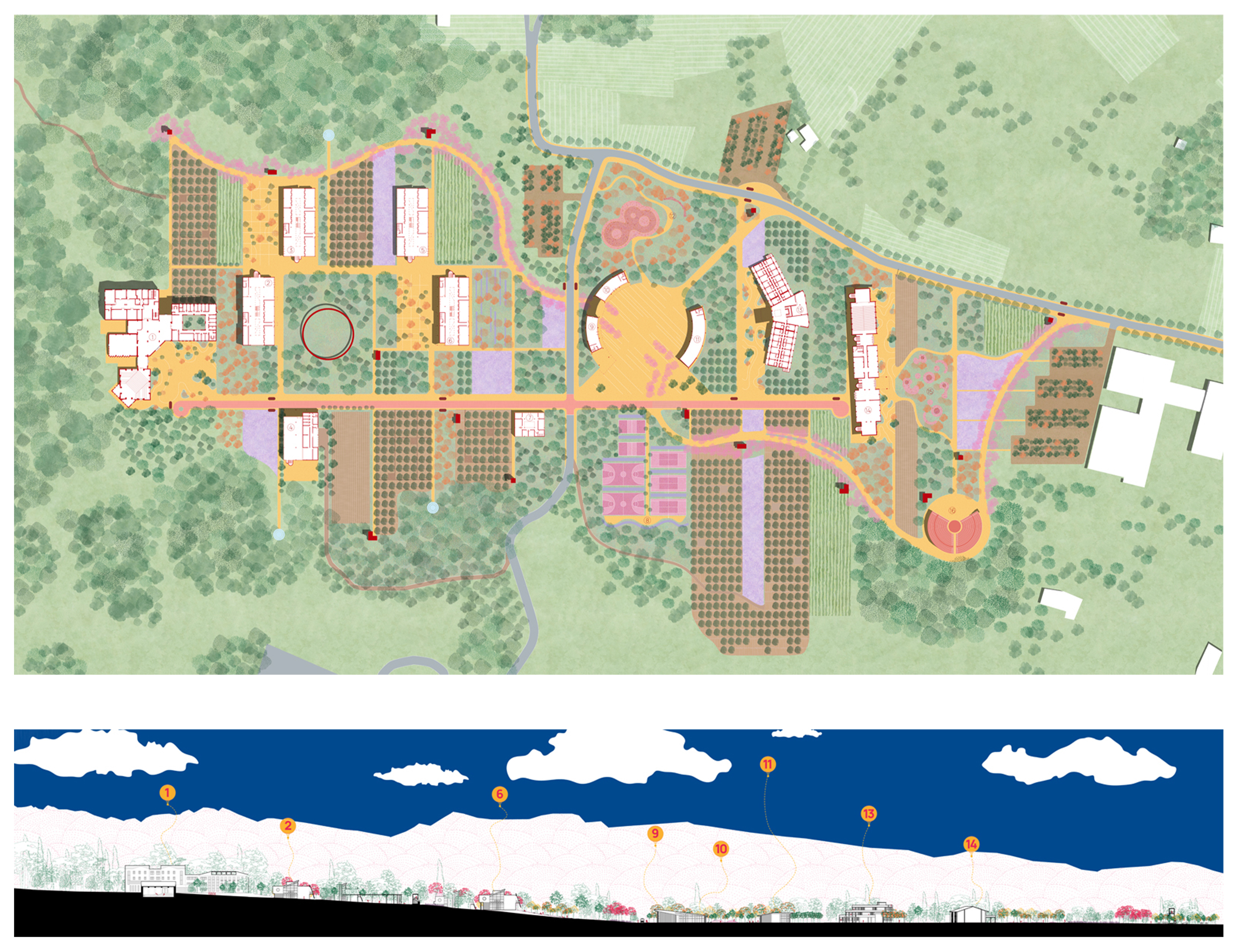
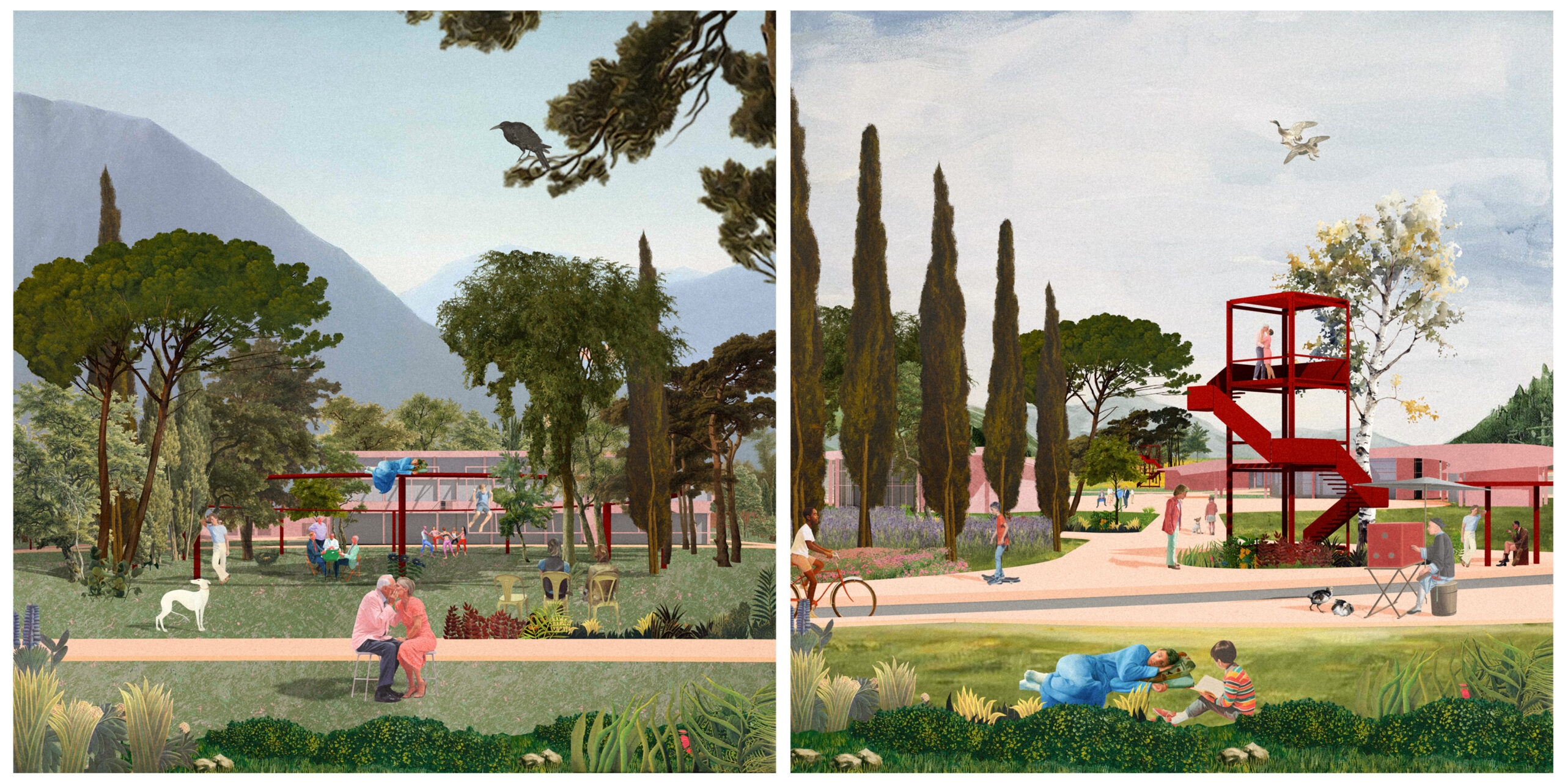
The project proposes the design of a university spatial framework that enhances academic activity, strengthens connections with the local community, and is integrated into the natural and agricultural landscape. The principal design axis is the interconnection of the existing, morphologically heterogeneous buildings and their incorporation into a unified network of spaces, movement, and activities. The University is conceived as a supra-local landmark, functioning as a connective link between the city and the surrounding landscape. The design builds upon existing conditions, seeking a balanced coexistence between the built environment and nature. A key intention is the formation of an accessible university framework, providing academic infrastructure, student housing, and spaces for social life, open to both the student body and the local community. Emphasis is also placed on sustainability, biodiversity, and the preservation of local vegetation and cultivation, aiming for an outward-looking University with a distinct identity and ties to local tradition.
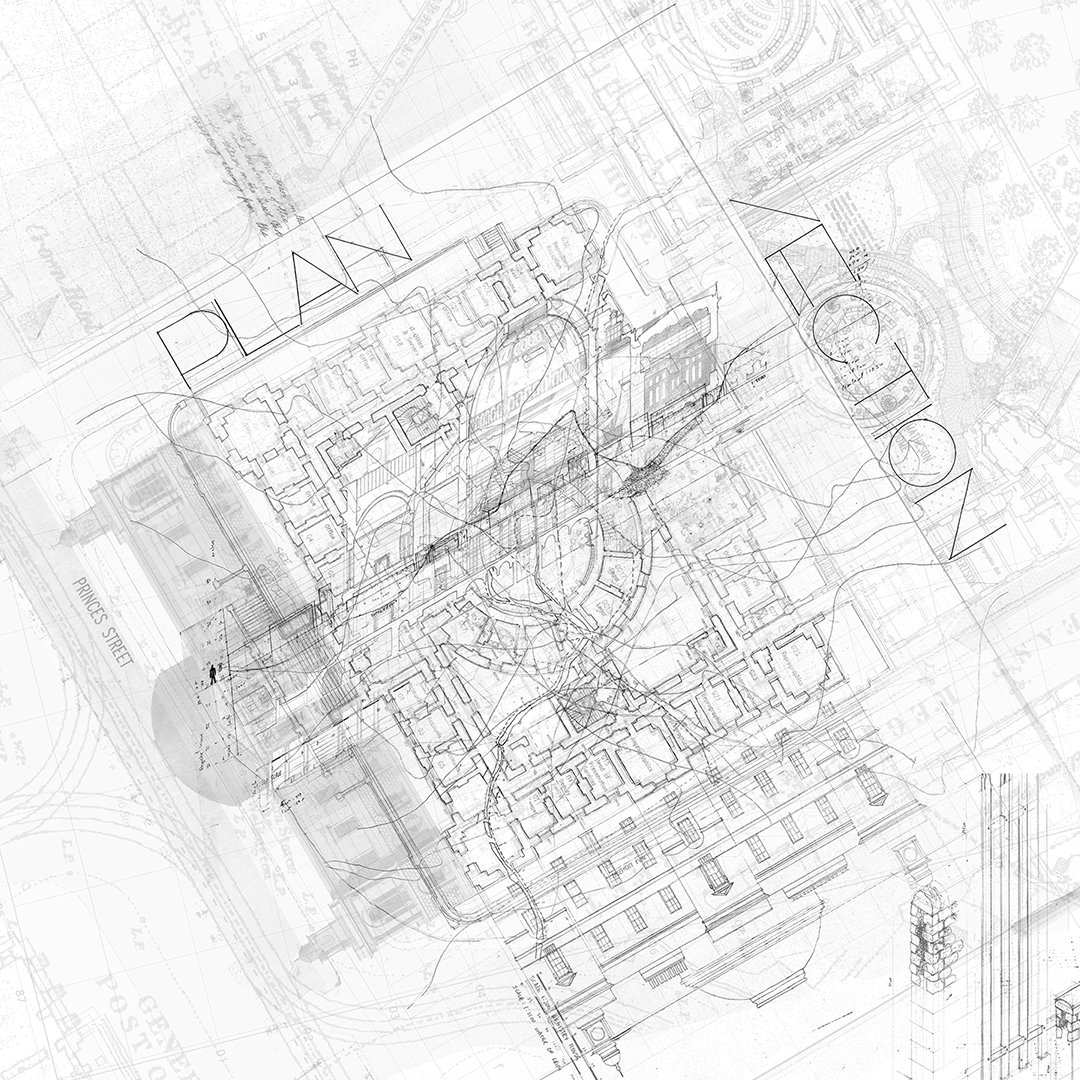
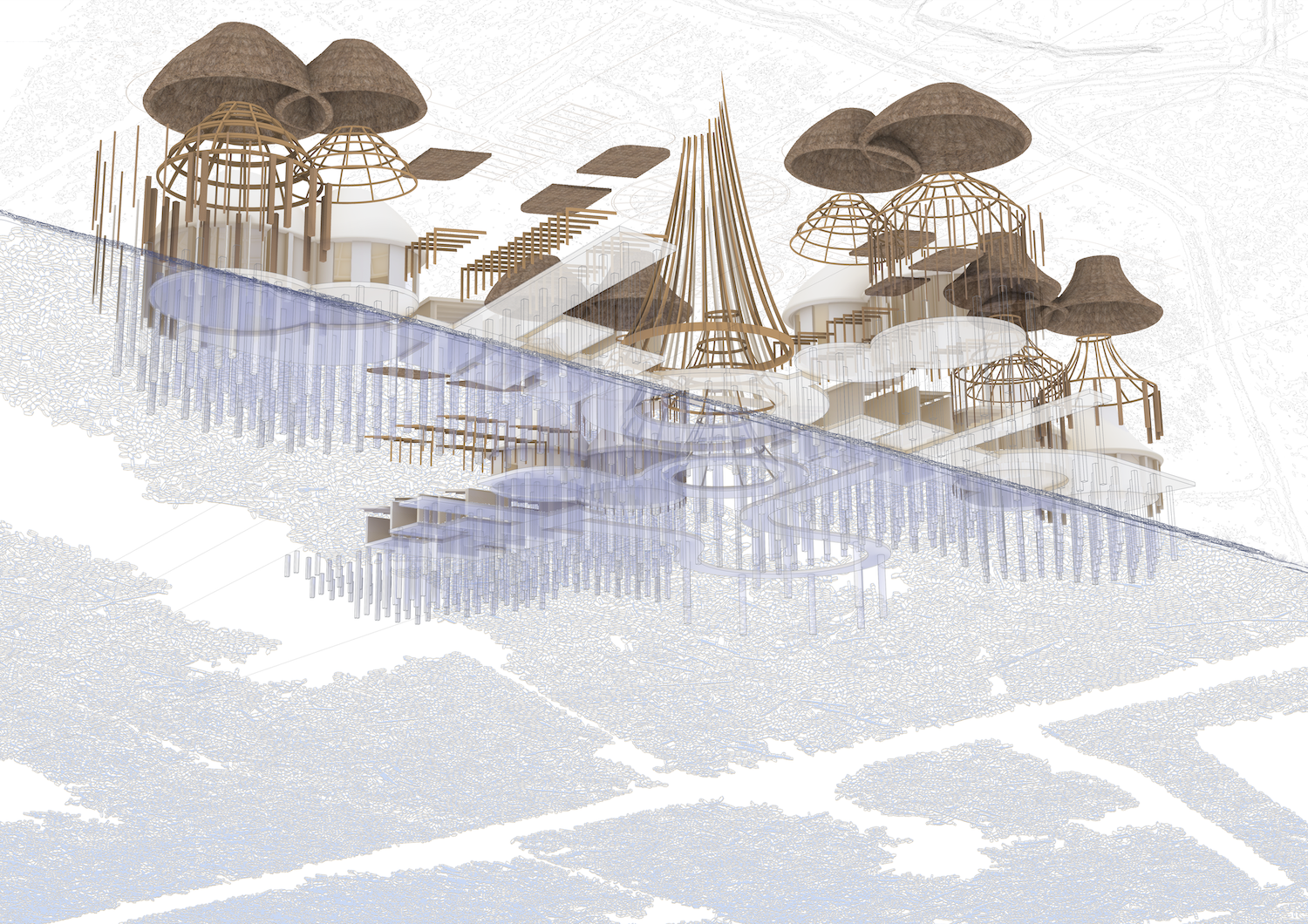
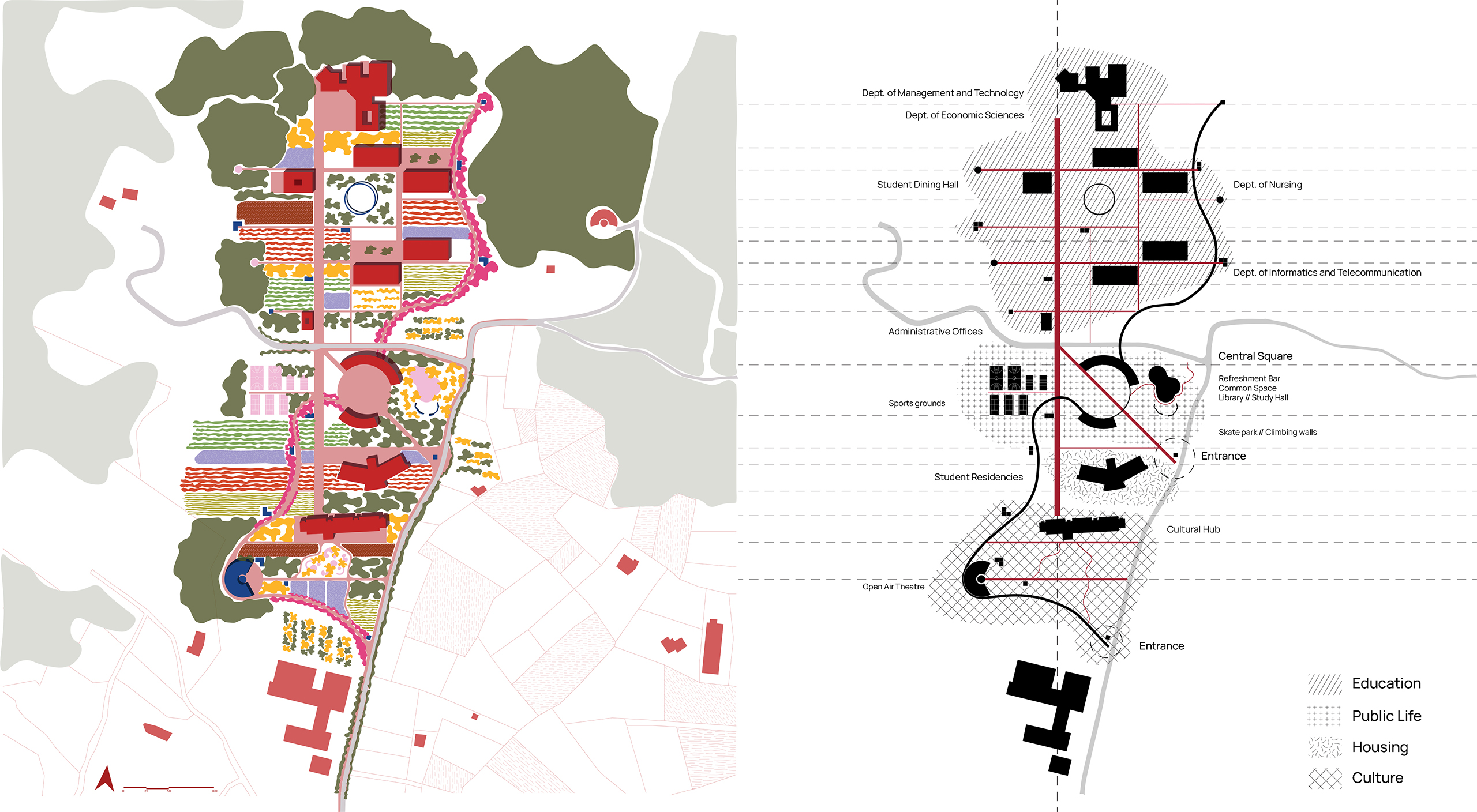
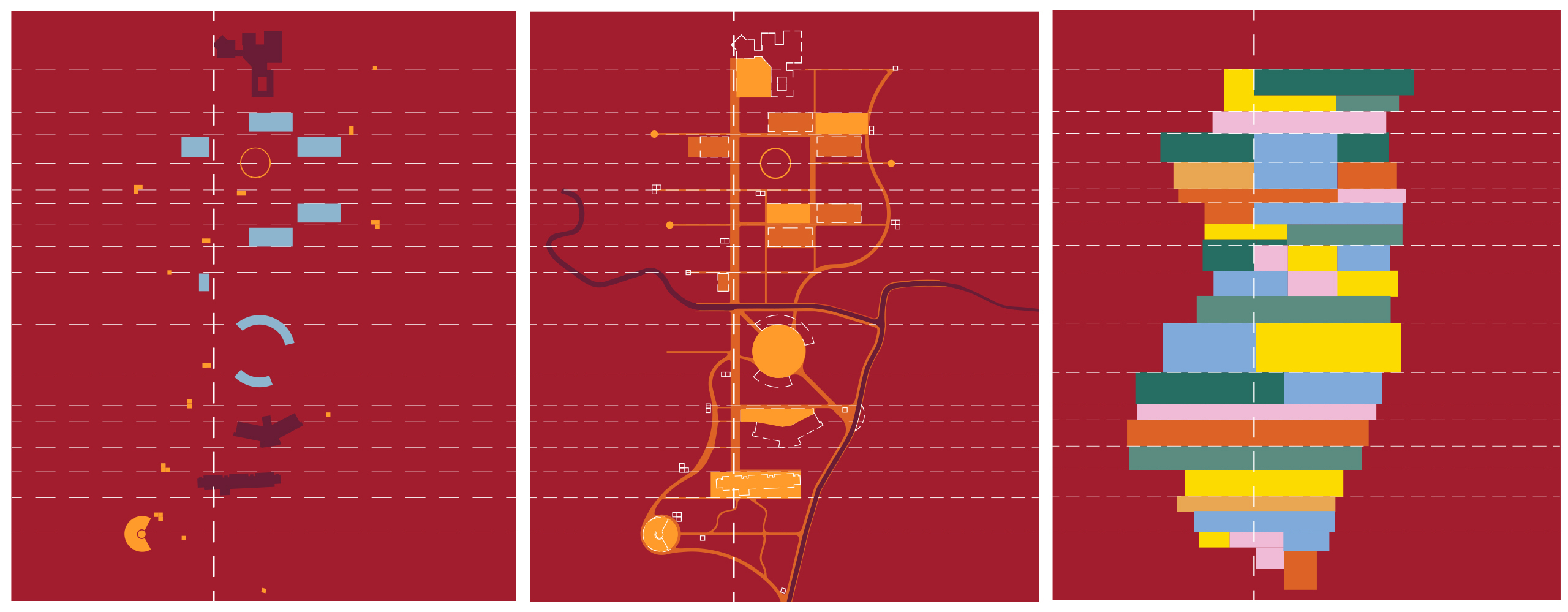
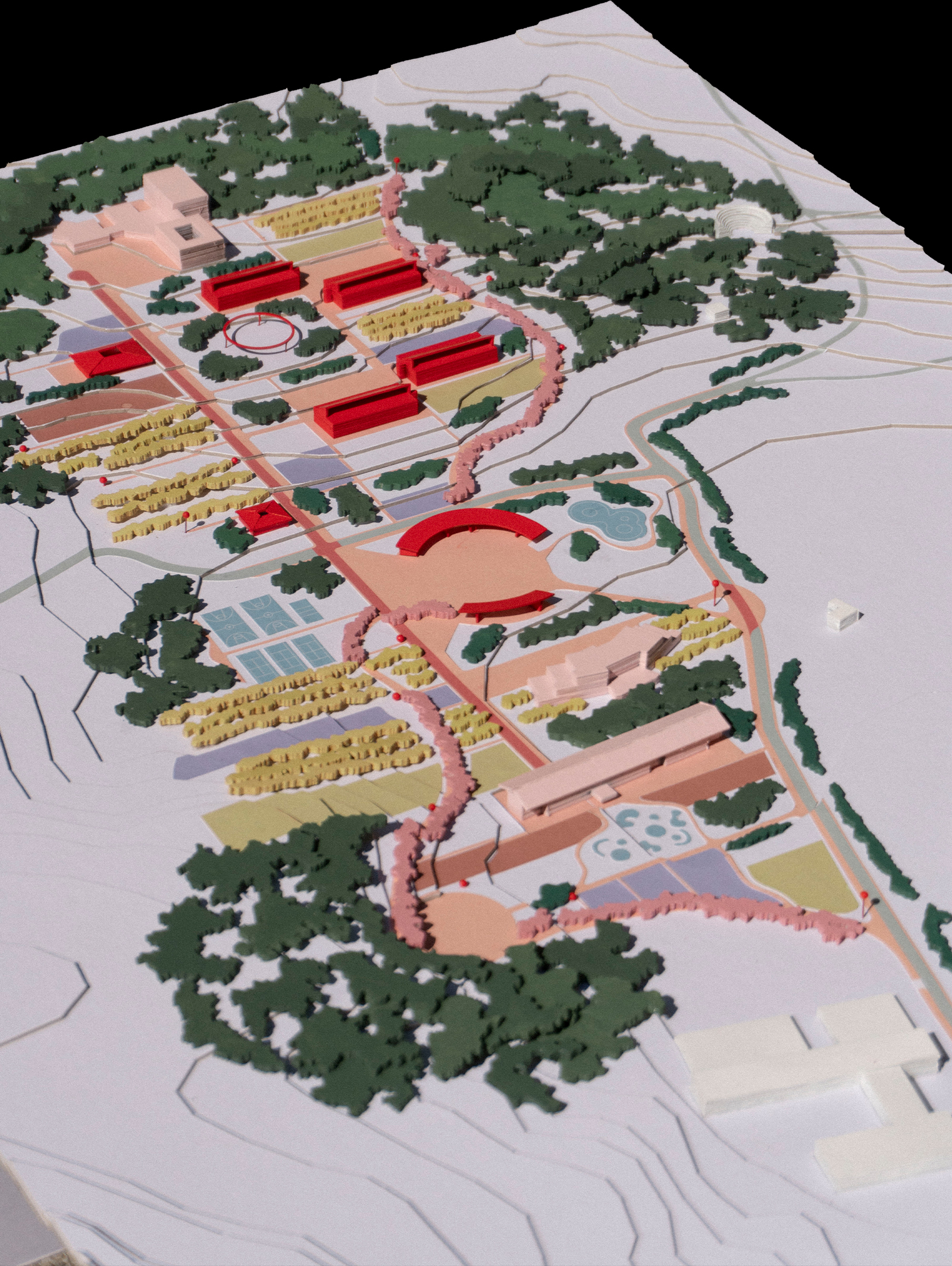
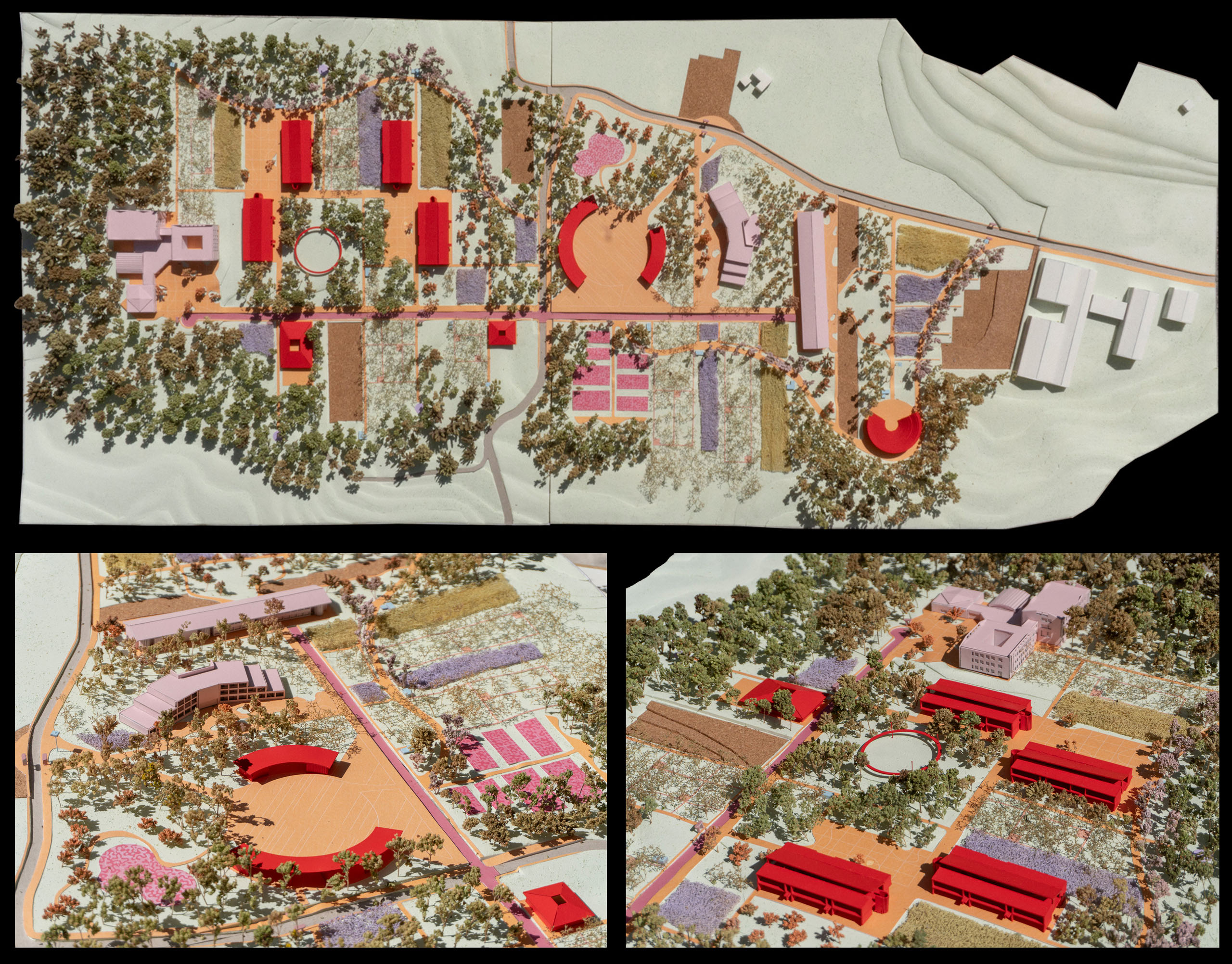
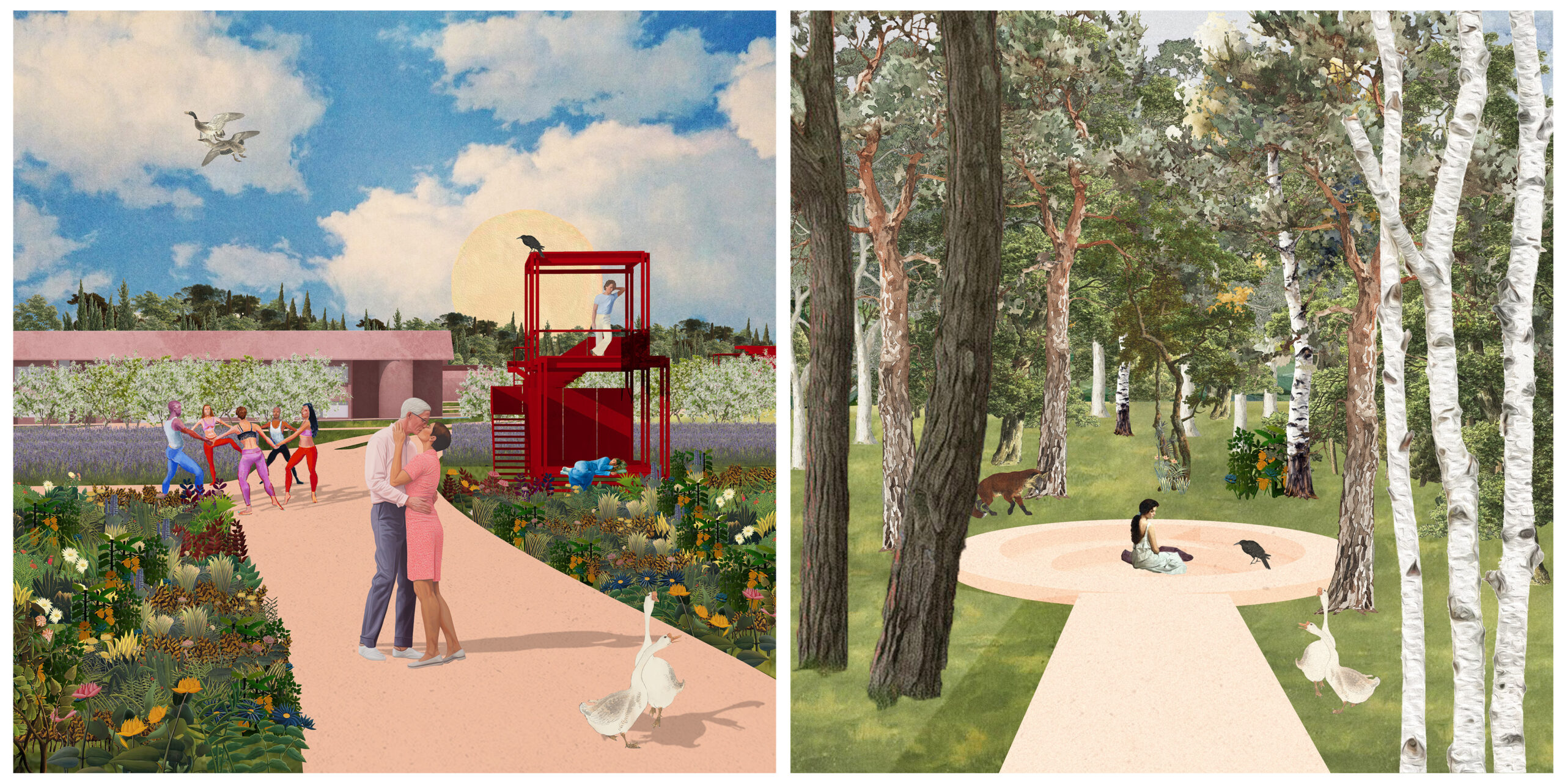
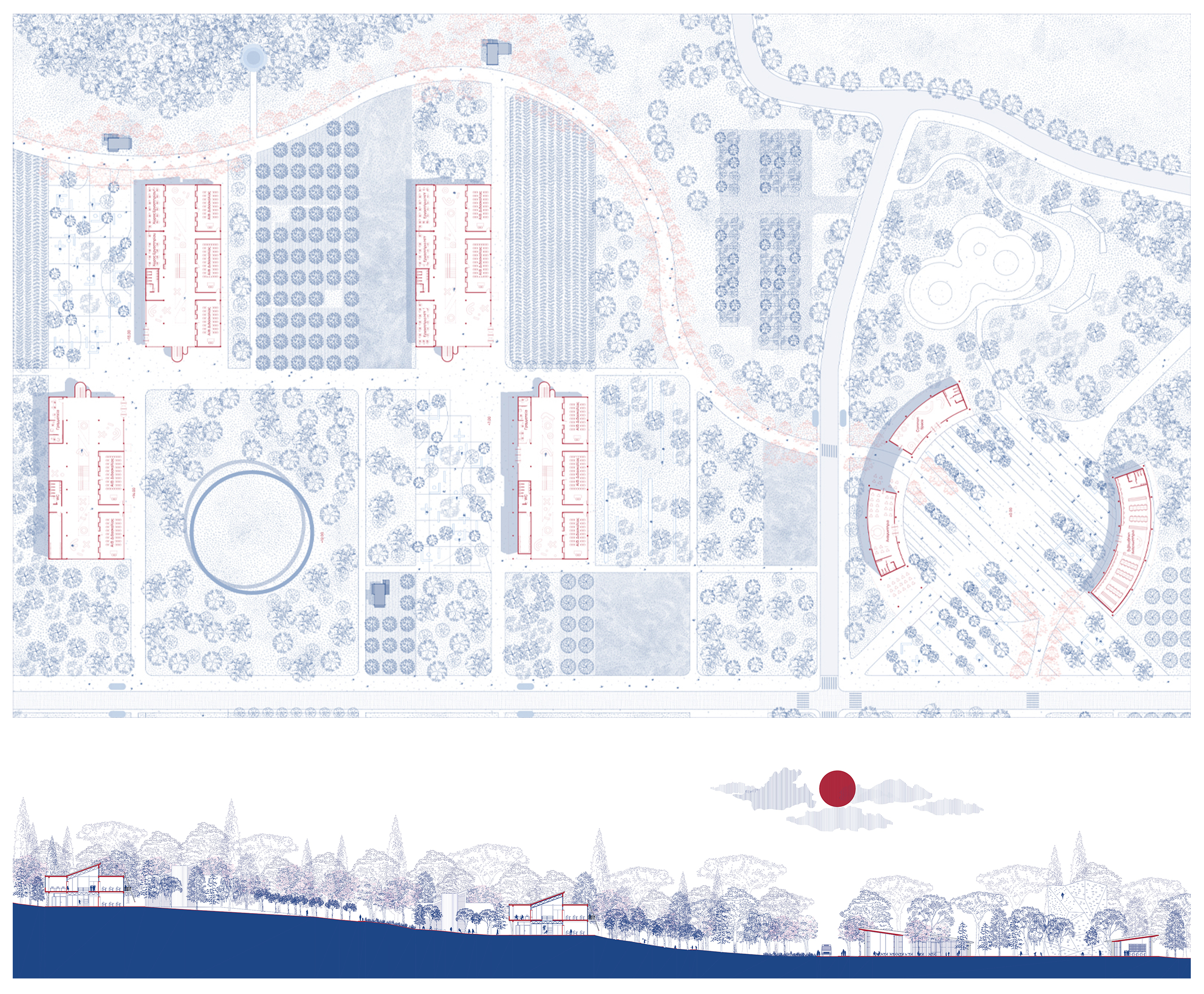
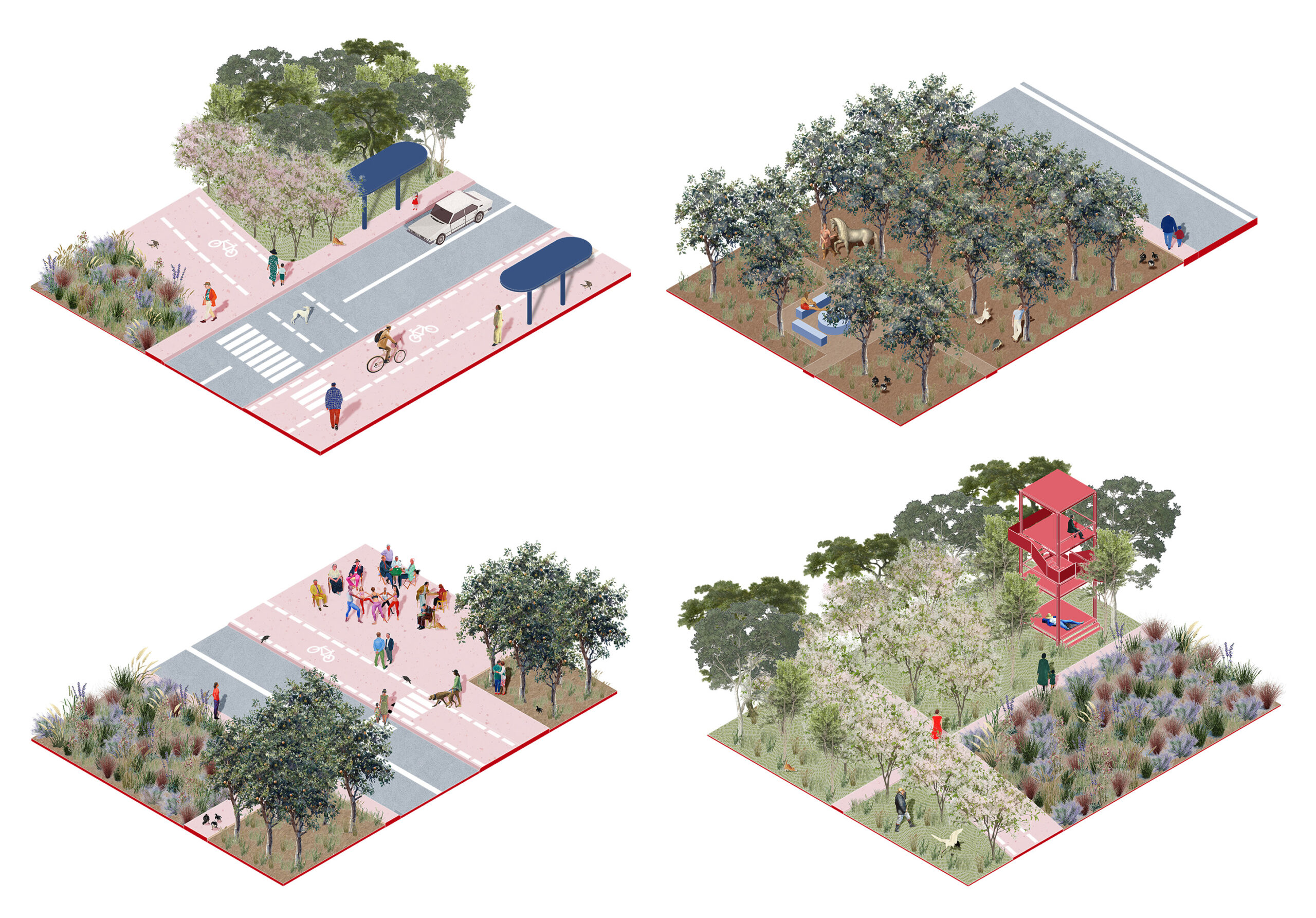
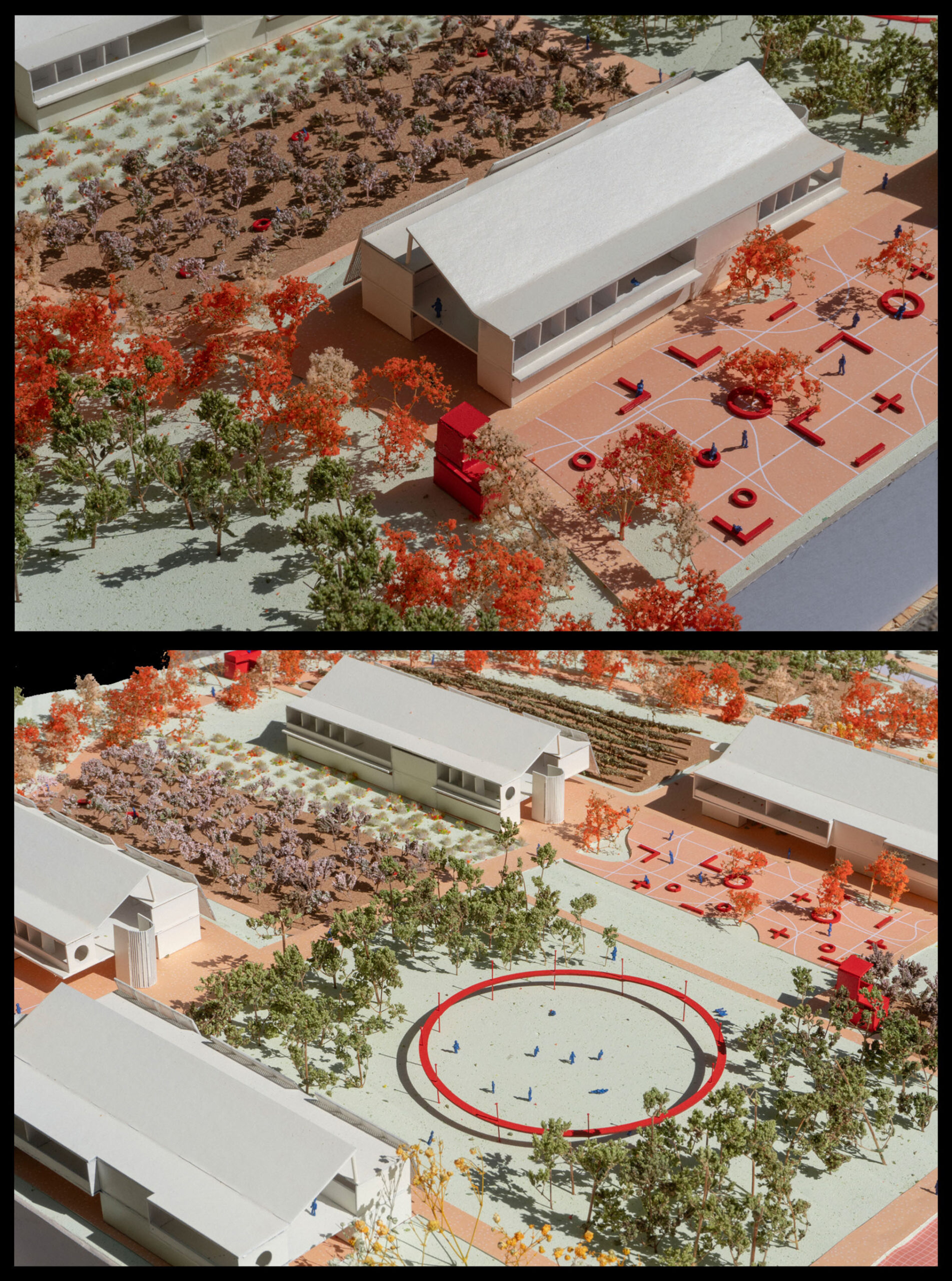
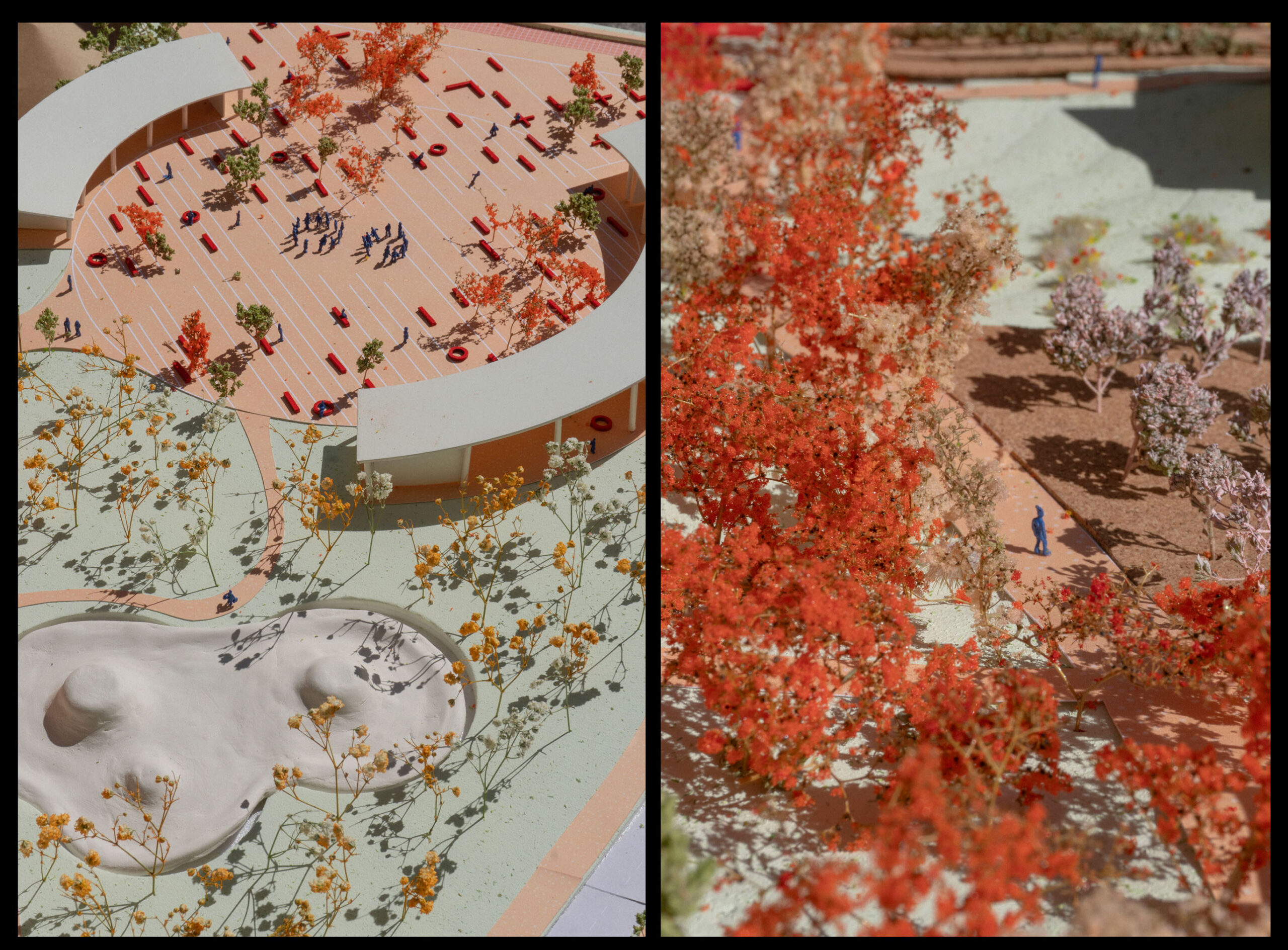
The framework is structured through a system of linear zones, inspired by the agricultural landscape and the spatial delineations of farmland plots in the Arcadian terrain. These zones determine the arrangement of buildings, open spaces, circulation routes, and planting, transforming the landscape into an organizational tool for the complex. A central circulation axis connects all buildings, while horizontal and vertical alignments support mobility requirements. A curvilinear pedestrian route traverses the composition from the entrance to its highest point, offering visual corridors toward the natural landscape. The core of the composition is a central square, functioning as both an entry point and a space of gathering. Built volumes, open spaces, circulation, and planting are organized linearly, enabling future expansions and the gradual “infiltration” of the Mediterranean landscape into the complex.
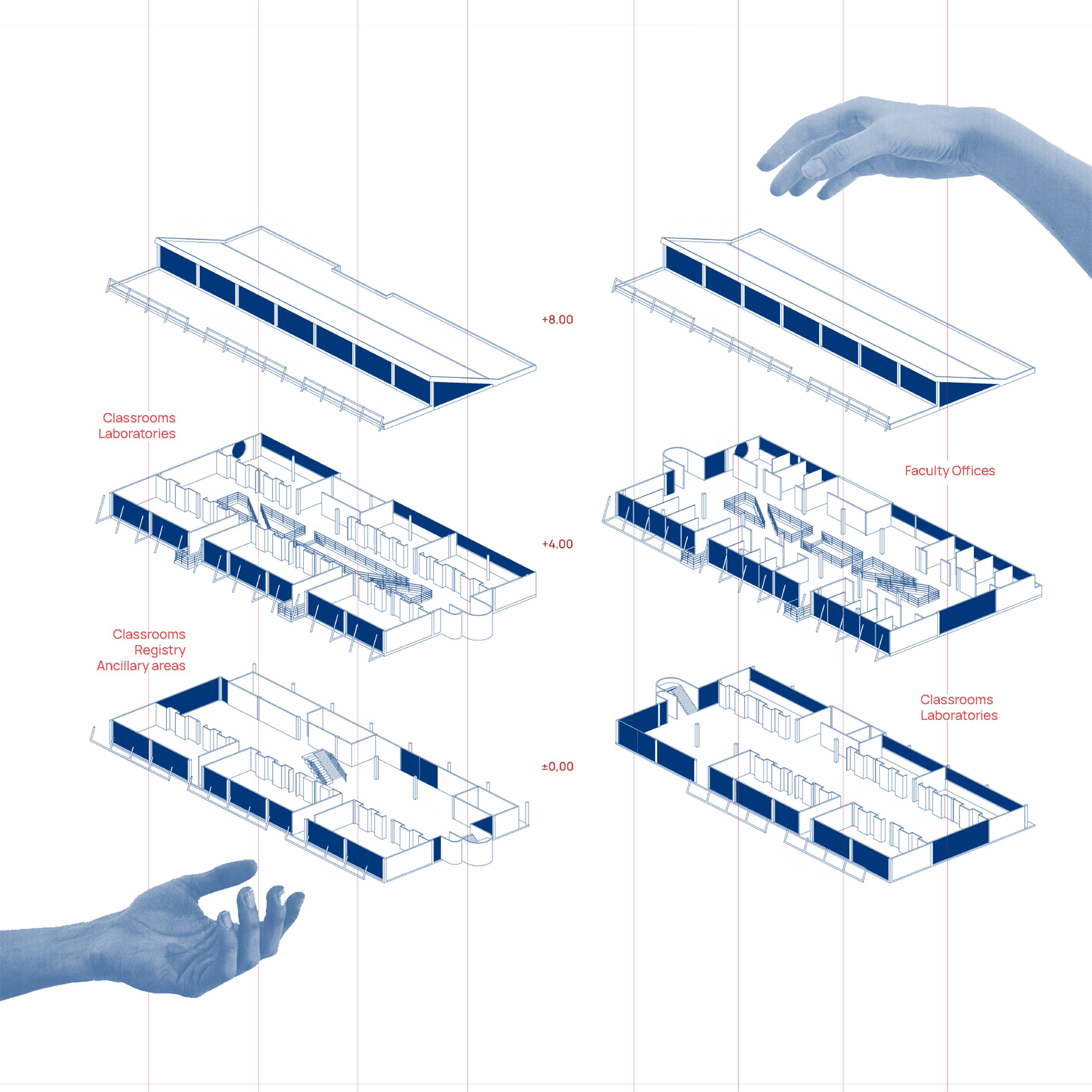
Between the three existing buildings, new volumes are introduced to accommodate academic and public functions, along with smaller-scale interventions at key nodal points. Circulation is designed primarily for pedestrians and cyclists, with provisions for public transport and limited vehicular access. The complex is organized into four linear functional zones: culture, housing, public life, and education. The culture zone includes spaces for events and activities open to the city, while the housing zone accommodates the student residence. The public life zone concentrates outward-oriented functions around the central square, whereas the education zone, located at the edge of the composition, is structured around a planted “square”-clearing.
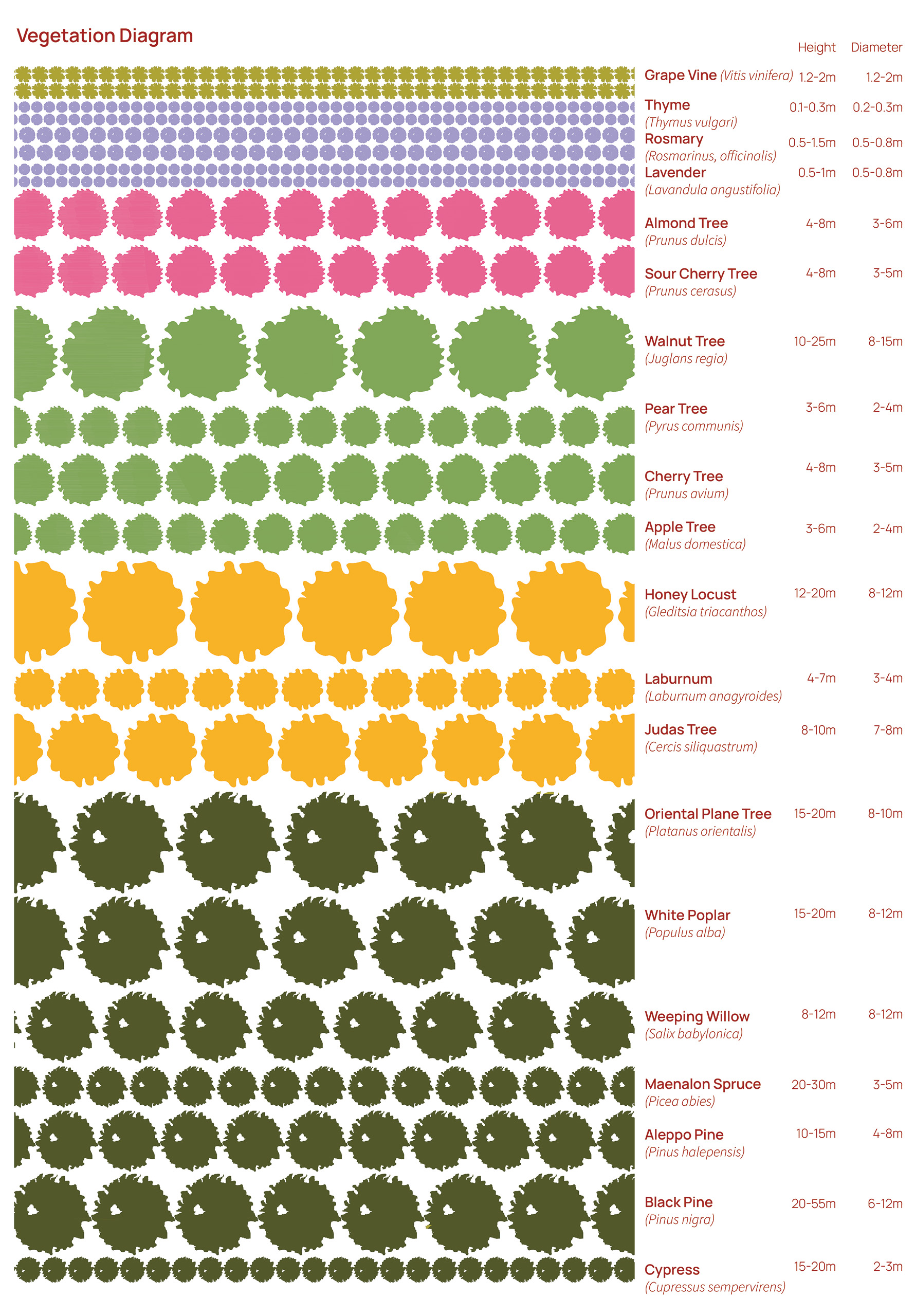
Planting constitutes a fundamental compositional component and includes tall and flowering vegetation, tree-lined paths, fruit orchards, vineyards and vegetable gardens, as well as aromatic gardens. Cultivated areas function both as a reference to the agricultural landscape and as a proposal for a university connected to the primary sector and the local economy, establishing a distinct and sustainable institutional identity.