
House at the End of Time
A Memory Archivist
In the timeless journey of life, one navigates through the landmarks of predecessors, embracing both fortune and adversity, weaving a tapestry of experiences that hold endless possibilities.
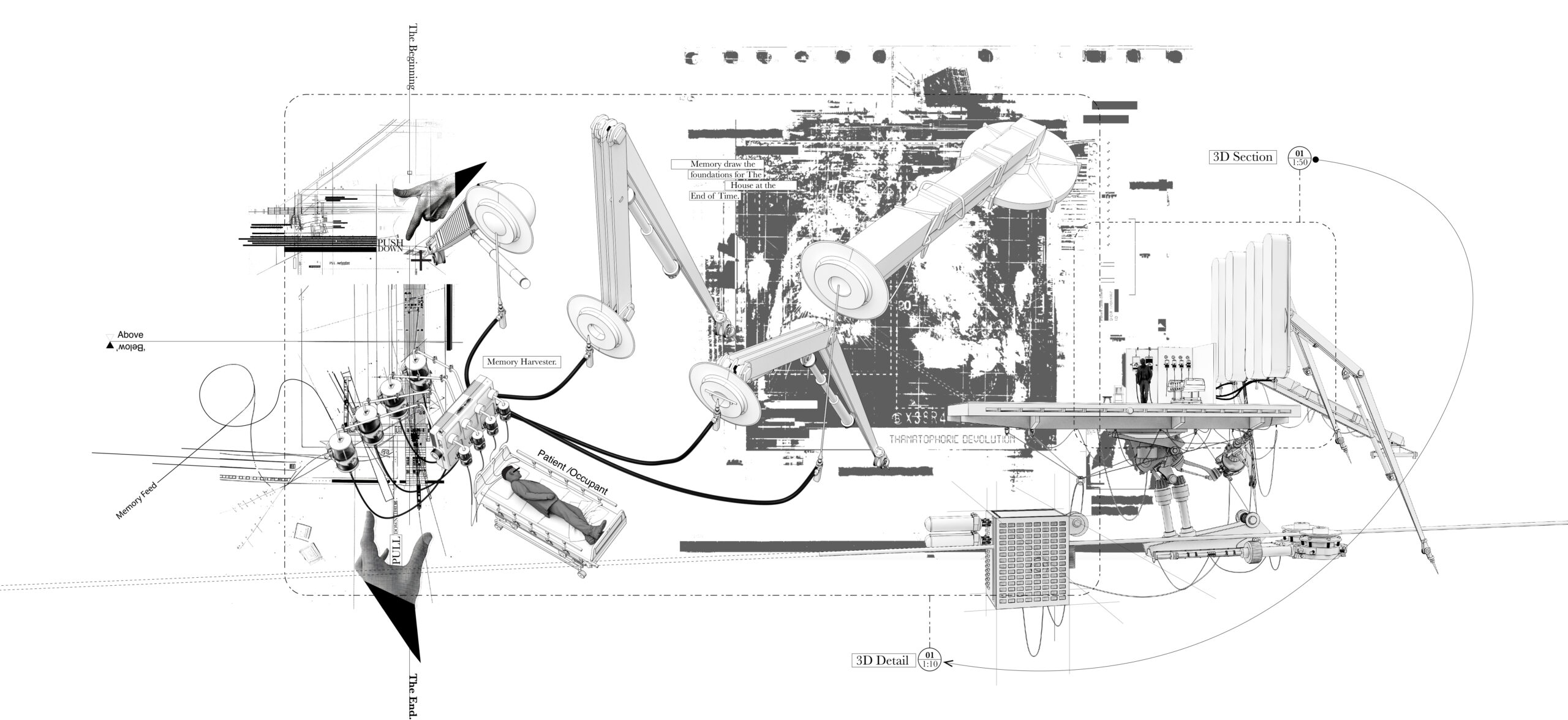
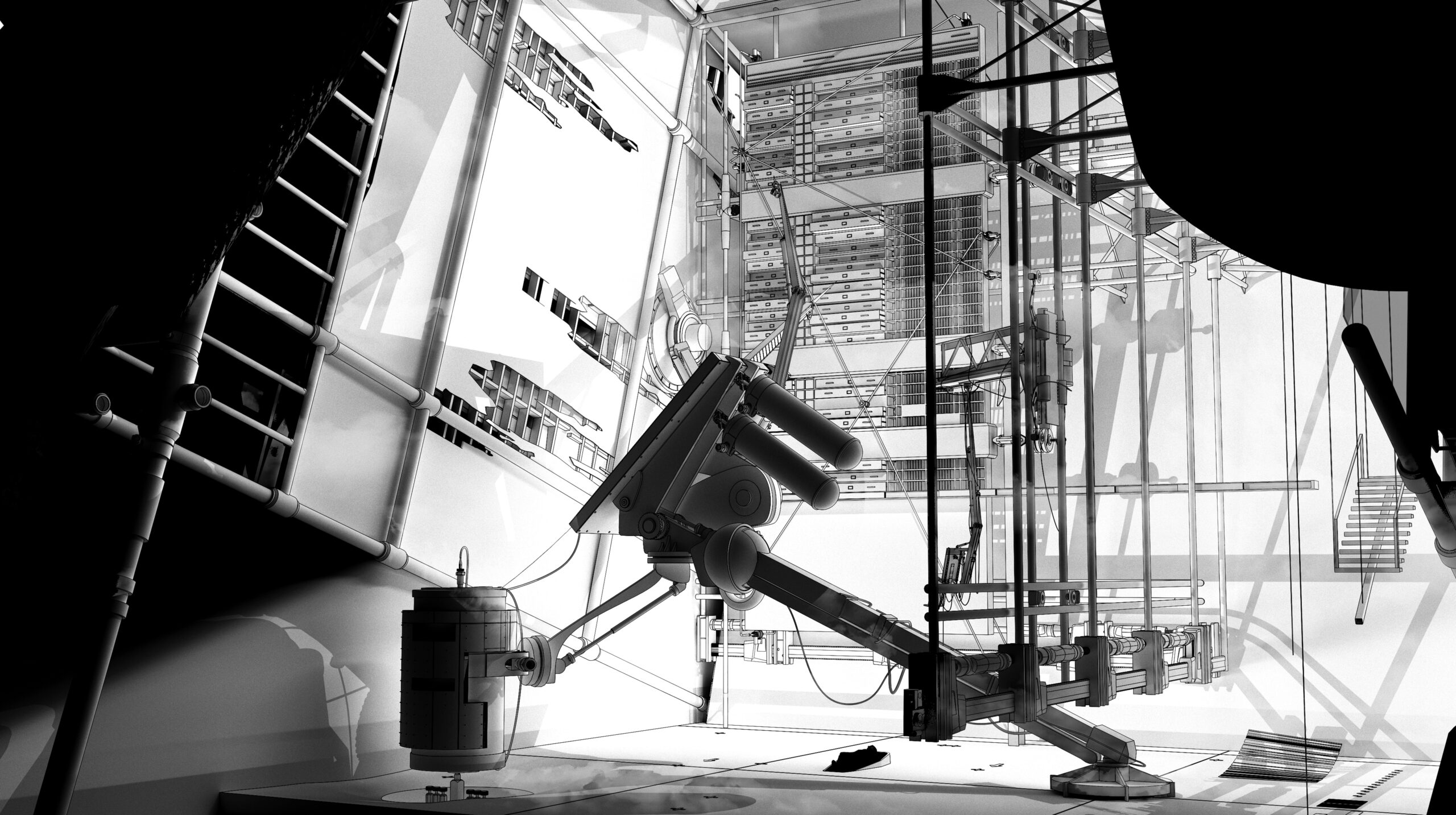
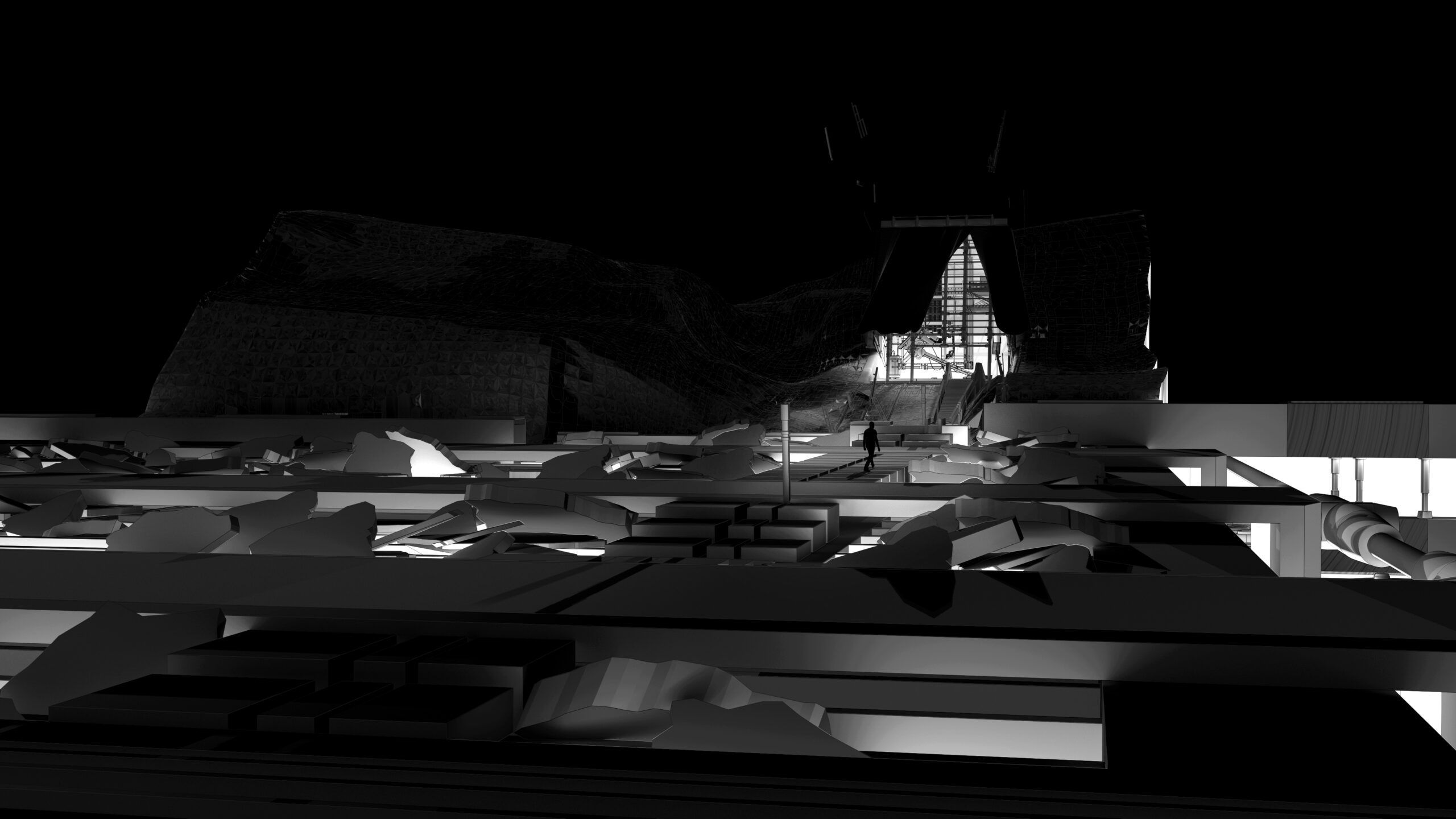
This sentiment resonates deeply with the essence of the speculative architectural project, “The House at the End of Time.” Here, the ‘House’ transcends its physical form to become a machinic archiver of memories, traversing an accountant’s ledger as a metaphorical ‘site’ within the shadows of our lives. It symbolizes the passage of time, the accumulation of memories, and the inevitable transition from the region of early youth to new horizons ahead, and an eventual death.

Traversing the Temporal Domain
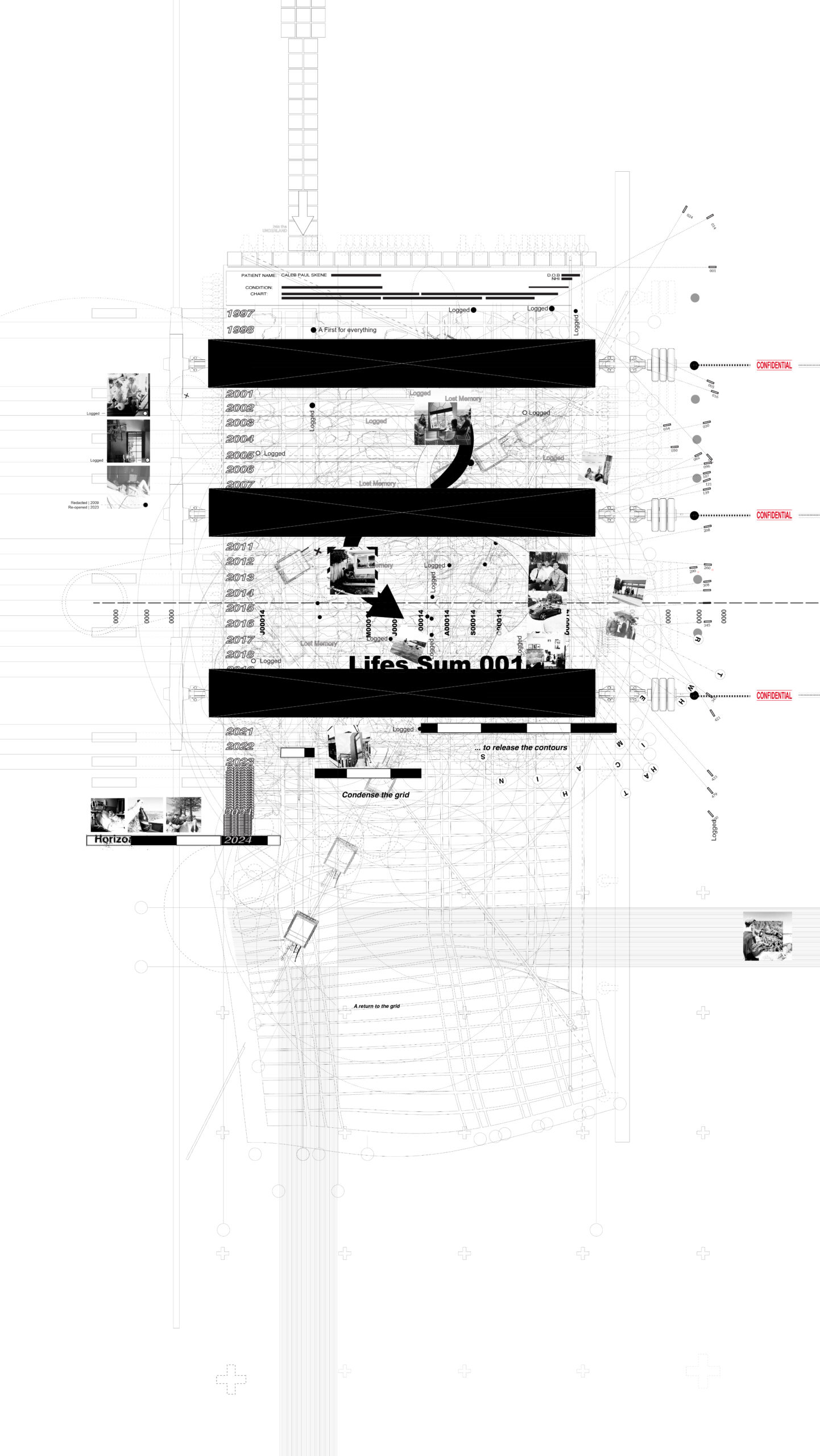
Traversing the Temporal Domain reimagines the architectural drawing as a lived document—one that tracks the inhabitant’s progression through time, not space.
Set upon aged ledger paper, the work transforms a tool of economic record into a metaphysical ground plane, where memory is inscribed like currency and the memories of life are meticulously logged. This is no static plan; it is a temporal terrain. The occupant moves not through rooms, but across a scroll of experience—each mark, smear, and notation acting as a residue of decision, presence, or absence. Architecture becomes autobiography. Every step taken is added to the archive, every hesitation or fracture recorded.
The page itself is time made visible. The ledger’s ruled lines, once meant for numbers, now serve as a structural grid for the intangible: emotion, memory, repetition. The drawing unfolds in real-time, recording a life as it’s lived—uncertain, layered, and irreducibly human. Here, the act of drawing is not design, but documentation. Not a proposal, but a reckoning. As the occupant journeys forward across this temporal plane, a residue of ‘life’ is left in its wake.