

Will Architects Be Replaced by AI?
The question of whether architects will be replaced by artificial intelligence has quickly moved from speculation to urgency. As AI tools become increasingly embedded in design workflows, the anxiety surrounding this question is understandable. Yet, it is also often framed too simply.
Recent research by Anthropic offers a more grounded perspective. Their analysis of labor market impacts reveals something particularly striking for architecture: the profession sits at the intersection of high AI capability and low real-world adoption.
This contradiction is where the future of architecture will be decided.
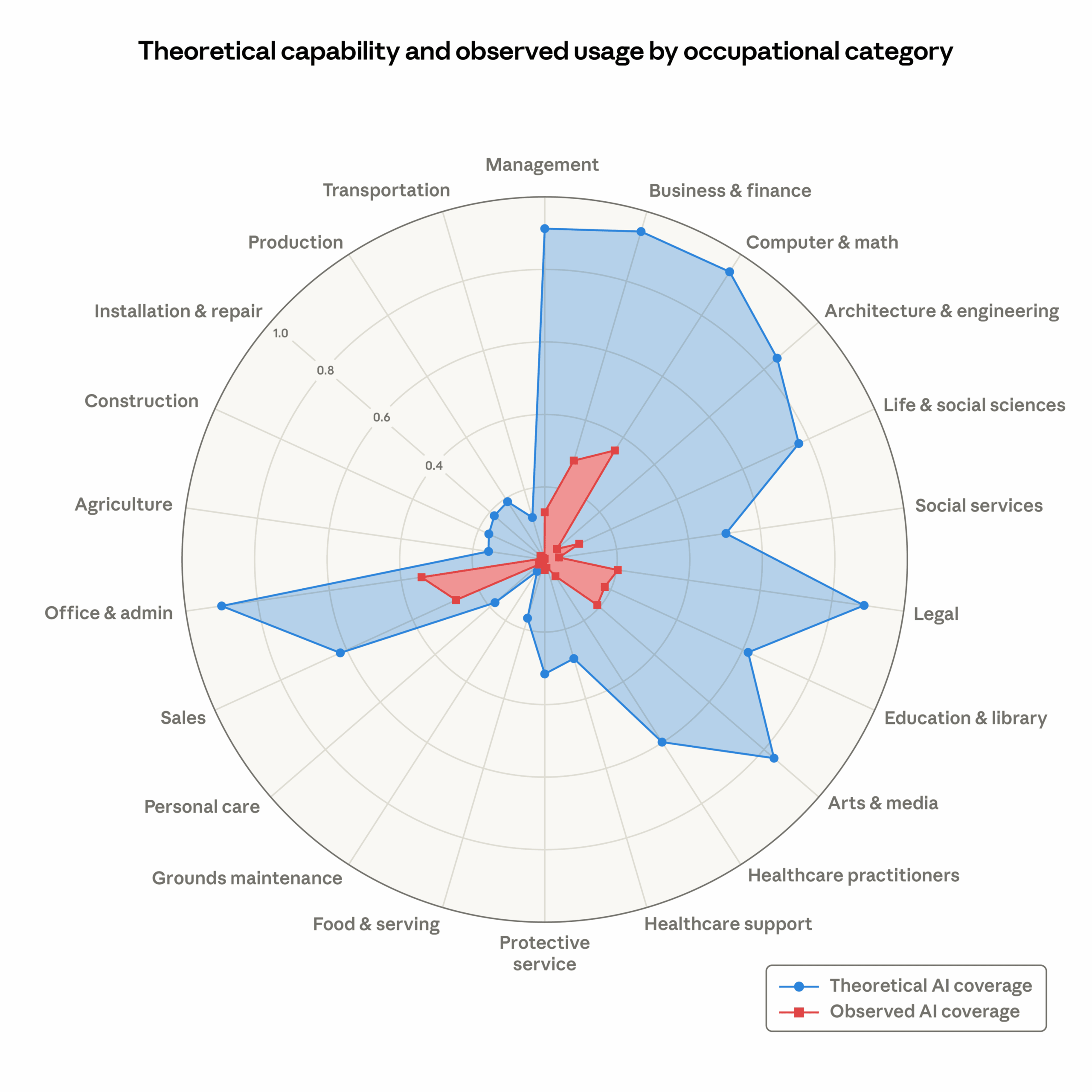
Share of job tasks that LLMs could theoretically perform (blue area) and our own job coverage measure derived from usage data (red area).
A Profession Highly Exposed, Yet Slow to Change
Architecture and engineering are among the fields where AI shows the highest theoretical potential. A large portion of architectural work, especially tasks related to representation, analysis, and documentation, can already be assisted or partially automated by AI.
At the same time, actual usage remains limited.
This gap is not a sign of safety. It is a sign of delay.
Architecture, as a discipline, has historically been slow to adopt technological shifts. From CAD to BIM, transitions have taken decades rather than years. AI, however, is not following that timeline. Its development is exponential, while industry adoption remains incremental.
The result is a widening gap between what is possible and what is practiced.
The Misconception of Replacement
To ask whether architects will be replaced is to misunderstand what architecture fundamentally is.
Architecture is not the act of drawing. It is the act of deciding.
It involves judgment under uncertainty, negotiation between competing interests, and the translation of abstract intentions into spatial reality. These processes are deeply human, not because machines cannot compute them, but because they require responsibility and authorship.
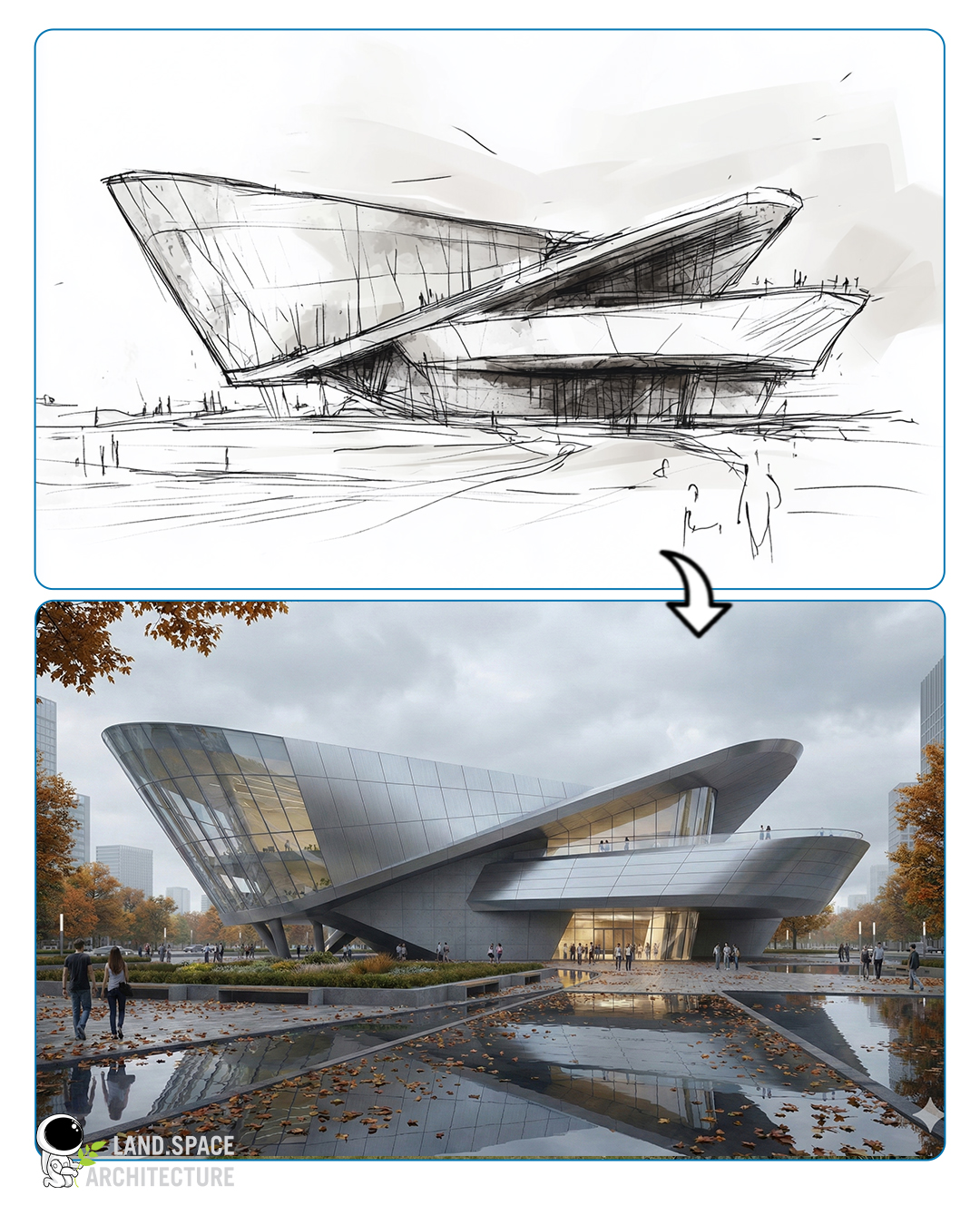
AI can generate plans, diagrams, and images. It can simulate environments and optimize systems. But it does not carry accountability. It does not negotiate meaning. It does not understand consequence in the way a designer must.
What AI replaces is not the architect, but the assumption that architecture is primarily a production task.
The Silent Shift in Architectural Labor
If there is disruption, it is already occurring quietly, particularly at the level of early-career work.
For decades, the architectural profession has relied on a structure in which junior architects produce drawings, renderings, and documentation, gradually progressing toward more strategic roles. These production tasks are now the most susceptible to automation.
This does not eliminate the profession, but it destabilizes its traditional pathway.
The question is no longer how to train architects to draw better, but how to train them to think, curate, and direct systems of production that may increasingly be handled by machines.
AI as a Design Medium
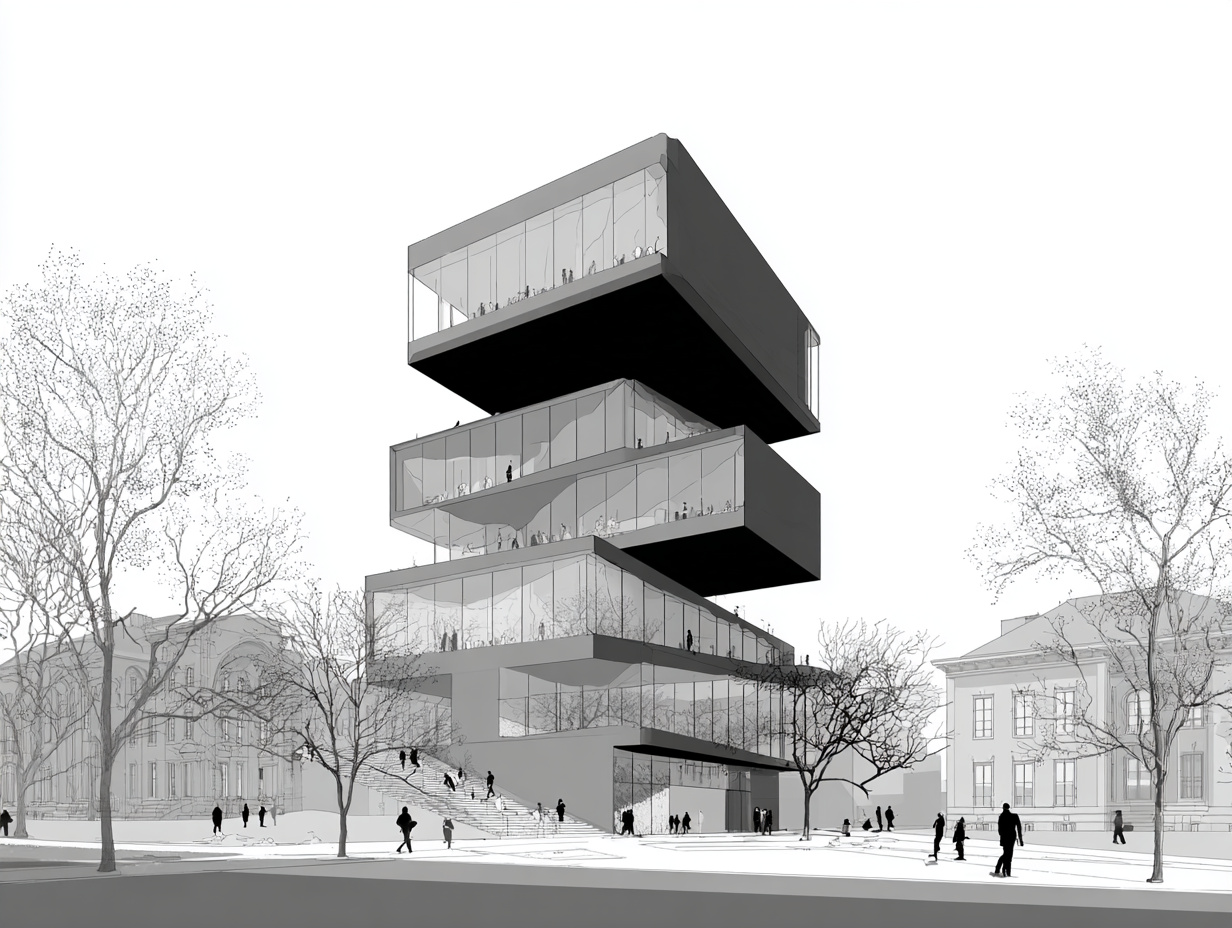
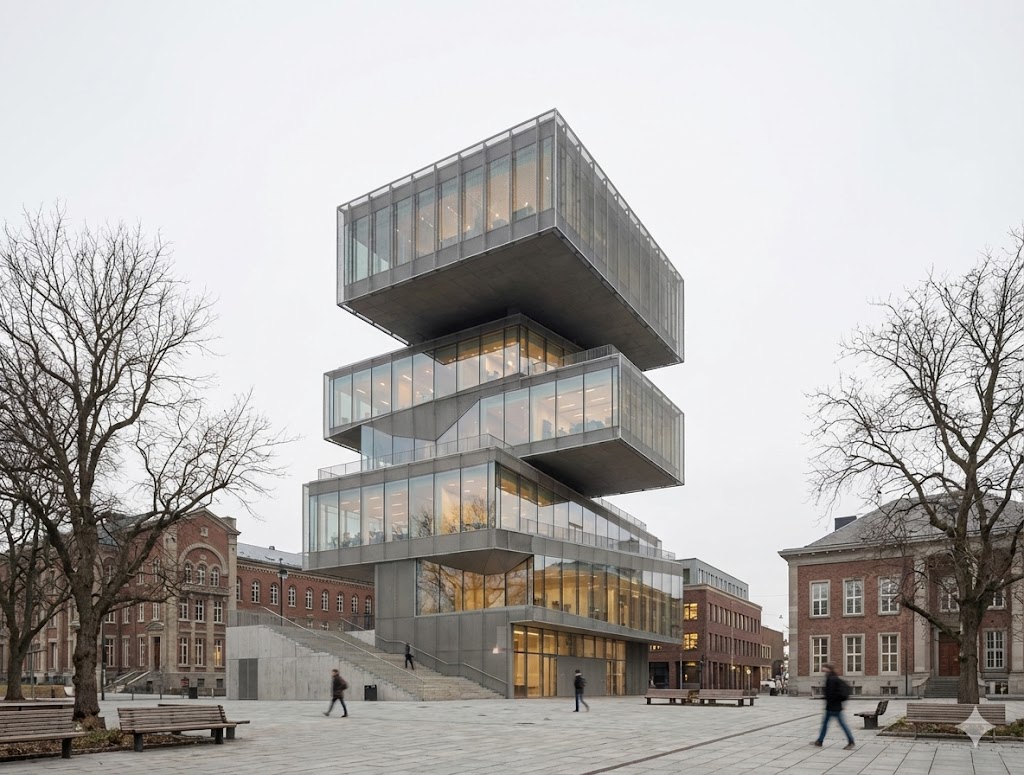
Rather than viewing AI as a tool, it may be more accurate to understand it as a new design medium.
Just as photography transformed representation, and digital modeling transformed form-making, AI is transforming the relationship between intention and output. It compresses the distance between idea and visualization, allowing architects to operate at a different level of abstraction.
This shift changes authorship.
The architect is no longer only a maker of drawings, but a designer of processes, prompts, and systems. The skill set expands from execution to orchestration.
The Opportunity Within the Gap
The most important insight from the current moment is not what AI can do, but what the industry is not yet doing with it.
Architecture today exists within an opportunity gap. The capabilities of AI are advancing rapidly, yet their integration into practice remains partial and uneven.
This creates a temporary condition where those who understand and adopt these tools can operate with disproportionate advantage.
It is not simply about efficiency. It is about redefining scope.
Architects who engage with AI are not only accelerating workflows. They are reshaping how projects are conceived, communicated, and delivered.
A Profession Redefined, Not Replaced
Architecture will not disappear. But it will not remain the same.
The future architect will likely:
- Spend less time on repetitive production
- Engage more in strategic decision-making
- Operate across design, data, and communication platforms
- Navigate between human judgment and machine-generated possibilities
In this sense, AI does not diminish the role of the architect. It clarifies it.
Conclusion
The question is not whether architects will be replaced by AI. It is whether architects are prepared to redefine their role within an AI-augmented reality.
Every major technological shift in architecture has required a redefinition of practice. AI is no exception, but it is faster, broader, and more profound than previous transitions.
The future of architecture will not be determined by AI alone, but by how architects choose to respond to it.
Those who resist may find their roles reduced.
Those who adapt may find their agency expanded.
The profession stands not at the edge of disappearance, but at the threshold of transformation.
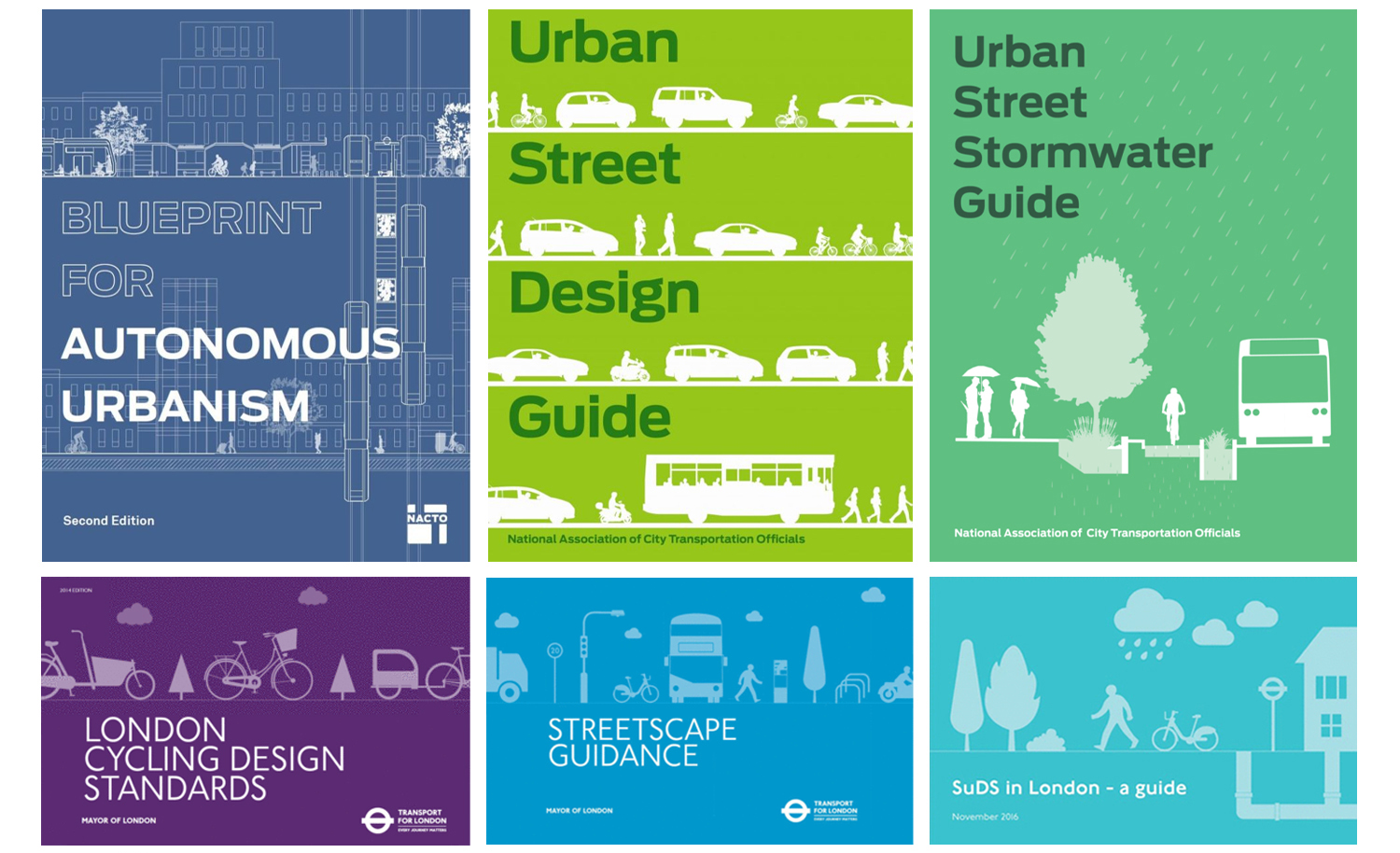
8 Best Street Design Guidelines for Inspiring Streetscapes
Designing streets that prioritize safety, accessibility, and aesthetic appeal is a cornerstone of mo
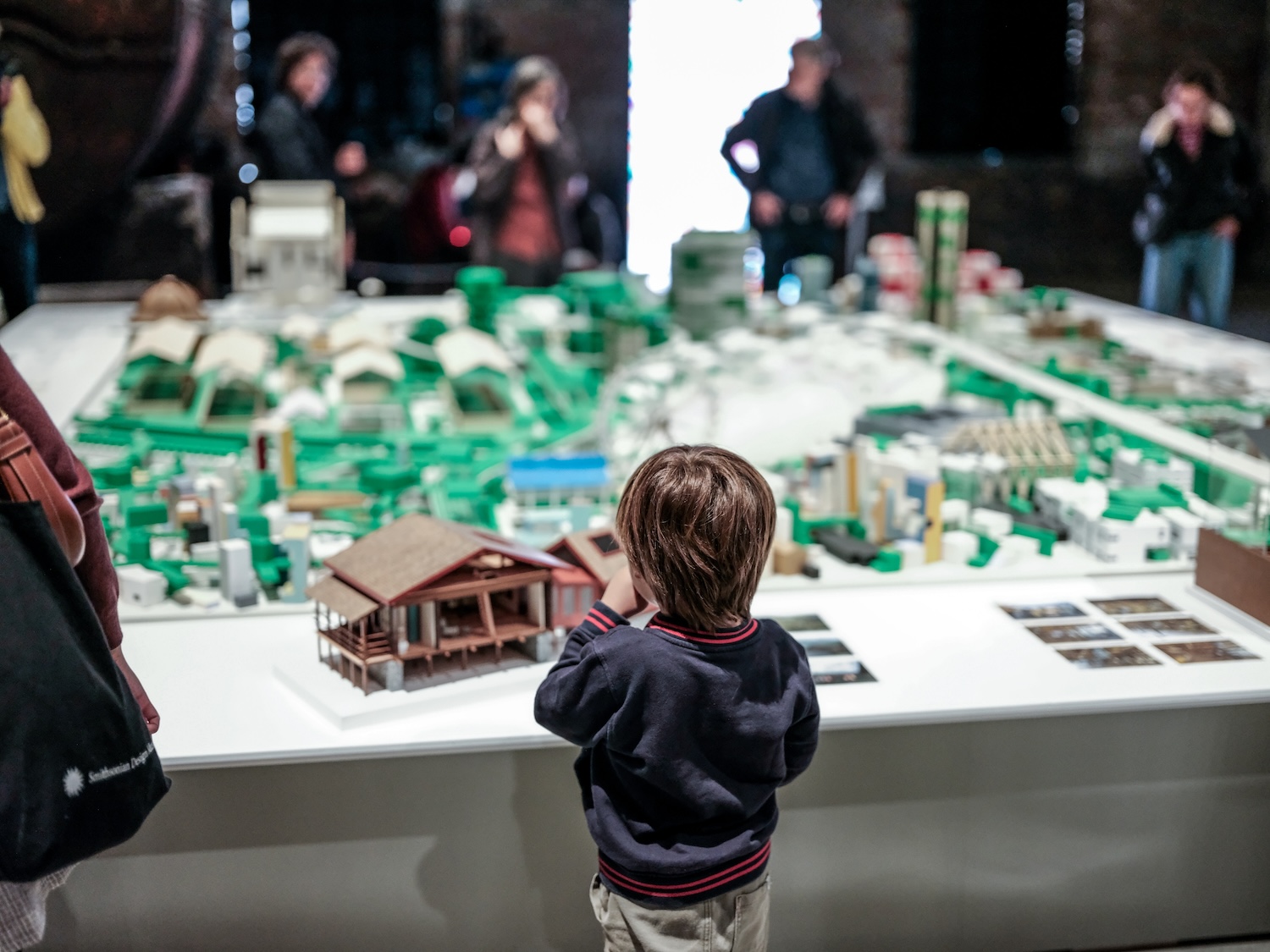
CO-EXIST: Pavilion of China Curated by Ma Yansong Officially Opens at the 19th International Architecture Exhibition—La Biennale di Venezia
The China Pavilion at the 19th International Architecture Exhibition – La Biennale di Venezia, tit
Leave a Reply